Wednesday, June 30, 2021

A new class of functional elements in the human genome?

A new class of functional elements in the human genome?
Illustration showing trends in the levels of purifying selection (purple) and thermostability (green) in G-quadruplexes (G4s) — sequences in the human genome that can fold into unusual three-dimensional structures — across different regions of the genome (shown at bottom). A new genome-wide study shows increased selection and stability of G4s in gene-regulatory regions and suggests that the unusual structures should be added to the list of functional elements in the genome. IMAGE: KATERYNA MAKOVA AND DANI ZEMBA, PENN STATE

Some regions of the human genome where the DNA can fold into unusual three-dimensional structures called G-quadruplexes (G4s) show signs that they are preserved by natural selection. When G4s are located in the regulatory sequences that control how genes are expressed or in other functional, but non-protein coding, regions of the genome, they are maintained by selection, are more common, and their unusual structures are more stable, according to a new study. Conversely, the structures are less common, less stable, and evolve neutrally outside of these regions, including within the protein-coding regions of genes themselves.

Together, these lines of evidence suggest that G4 elements should be added to the list of functional elements of the genome along with genes, regulatory sequences, and non-protein coding RNAs, among others. A paper describing the study, by a team of researchers led by Penn State scientists, appears June 29 in the journal Genome Research.

“There have been only a handful of studies that provided experimental evidence for individual G4 elements playing functional roles,” said Wilfried Guiblet, first author of the paper, a graduate student at Penn State at the time of research, and now a postdoctoral scholar at the National Cancer Institute. “Our study is the first to look at G4s across the genome to see if they show the characteristics of functional elements as a general rule.”

As much as 1% of the genome can fold into G4s, rather than the typical double helix (in comparison, protein-coding genes occupy approximately 1.5% of the genome). G4s are one of several non-canonical shapes into which DNA can fold, collectively known as “non-B DNA.” The G4 structure forms in DNA sequences rich in the nucleotide guanine, the “G” in the ACGT alphabet of the genome. G4s have been implicated in several key cellular processes and have been suggested to play a role in several human diseases, including neurological disorders and cancer.

To better understand the function of G4s at a genome-wide scale, the research team looked at their distribution across the genome, their thermostability, and whether or not they showed signs of being under the influence of natural selection, all in relation to other functional elements of the genome. They confirmed that, as a rule, G4s are more common in regions of the genome known to have important cellular functions and that the G4s in these regions are more stable than elsewhere in the genome.

“The three-dimensional structure of G4s can form transiently and how stable their structure is depends on their underlying DNA sequence and other factors,” said Guilbet. “We found that, usually, G4s located within functional regions of the genome tend to be more stable. In other words, it’s more likely that the DNA is folded into a G4 at any given time and thus, more likely that the G4 is there for a functional reason.”

Functional regions of the genome are generally maintained by a type of natural selection called purifying selection. Mutations in these regions could disrupt their function and be harmful to the organism. The mutations therefore are usually eliminated by purifying selection, which keeps the DNA sequence relatively unchanged over time. In nonfunctional regions of the genome, a mutation may have no impact and can persist in the genome without any consequences. These regions of the genome are said to evolve neutrally. Where G4s fall in this spectrum depends on their location in the genome.

“We can look at the patterns of change in a DNA sequence among human individuals and between humans and our close primate relatives as a test of natural selection and then use selection as an indicator of function,” said Yi-Fei Huang, assistant professor of biology at Penn State and a leader of the research team. “Our tests show that G4s located within functional regions of the genome appear to be under purifying selections, which is further evidence that G4s should be considered as functional elements.The only exception from this pattern were protein-coding regions of genes, where G4s are relatively uncommon, rather unstable, and do not evolve under purifying selection. G4s in protein-coding regions of genes might be nonfunctional and costly to maintain.”

The research team has recently shown that G4s, along with other types of non-B DNA, have increased mutation rates. The fact that G4s located outside of protein-coding regions are maintained by purifying selection, despite their high mutagenic potential, adds further weight to the evidence for classifying G4s as functional elements.

“We think that we are seeing evidence for a paradigm shift for how scientists define function in the genome,” said Kateryna Makova, Verne M. Willaman Chair of Life Sciences at Penn State and a leader of the research team. “First, geneticists focused almost exclusively on protein-coding genes, then we became aware of many functional non-coding elements, and now we have G4s and possibly other non-B DNA elements. Three-dimensional structure may be just as important for defining function as the underlying DNA sequence.”

“Defining the full complement of functional genome elements is crucial for interpreting the potential disease consequences not only of inherited genetic variants but also of mutations arising within tissues over the lifetime of individuals,” said Kristin Eckert, professor of pathology at the Penn State College of Medicine, co-author of the paper, and member of the research team. “The identification of G4s as novel functional elements within the human genome is key to advancing the use of genetics in precision medicine.”

In addition to Guiblet, Huang, Makova and Eckert, the research team includes Xiaoheng Cheng (now a postdoctoral researcher at the University of Chicago) and Francesca Chiaromonte, at Penn State, and Michael DeGiorgio at Florida Atlantic University. The study was funded by the U.S. National Institutes of Health, the Clinical and Translational Sciences Institute, the Institute of Computational and Data Sciences, the Huck Institutes of the Life Sciences at Penn State, the Penn State Eberly College of Science, and the U.S. National Science Foundation, and it also was supported by the CBIOS Predoctoral Training Program awarded to Penn State by the National Institutes of Health.


from ScienceBlog.com https://ift.tt/3AdqaWn

Paleonursery offers rare, detailed glimpse at life 518 million years ago

Paleonursery offers rare, detailed glimpse at life 518 million years ago

All life on Earth 500 million years ago lived in the oceans, but scientists know little about how these animals and algae developed. A newly discovered fossil deposit near Kunming, China, may hold the keys to understanding how these organisms laid the foundations for life on land and at sea today, according to an international team of researchers.

The fossil deposit, called the Haiyan Lagerstätte, contains an exceptionally preserved trove of early vertebrates and other rare, soft-bodied organisms, more than 50% of which are in the larval and juvenile stages of development. Dating to the Cambrian geologic period approximately 518 million years ago and providing researchers with 2,846 specimens so far, the deposit is the oldest and most diverse found to date.

“It’s just amazing to see all these juveniles in the fossil record,” said Julien Kimmig, collections manager at the Earth and Mineral Sciences Museum & Art Gallery, Penn State. “Juvenile fossils are something we hardly see, especially from soft-bodied invertebrates.”

Paleonursery offers rare, detailed glimpse at life 518 million years ago

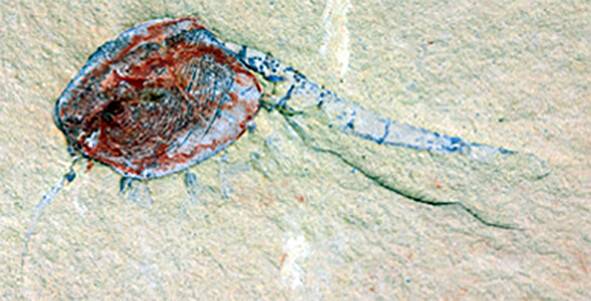
Fossil of a juvenile arthropod, Leanchoilia illecebrosa, showing fine anatomical details of the appendages and preserving the gut tract.

IMAGE: XIANFENG YANG, YUNNAN KEY LABORATORY FOR PALAEOBIOLOGY, YUNNAN UNIVERSITY

Xianfeng Yang, a paleobiologist at Yunnan University, China, led a team of Chinese researchers that collected the fossils at the research site. He measured and photographed the specimens and analyzed them with Kimmig. The researchers report the results of their study today (June 28) in the journal Nature Ecology and Evolution.

The researchers identified 118 species, including 17 new species, in the lagerstätte — a sedimentary deposit of extraordinary fossils with exceptional preservation that sometimes includes preserved soft tissues.

The species include the ancestors of modern-day insects and crustaceans, worms, trilobites, algae, sponges and early vertebrates related to jawless fish. The researchers also found eggs and an abundance of rare juvenile fossils with appendages still intact and their internal soft tissues visible.

The specimens are so well-preserved that they are revealing body parts never before seen, said Sara Kimmig, assistant research professor in the Earth and Environmental Systems Institute and facility director of the Laboratory for Isotopes and Metals in the Environment at Penn State.

“The site preserved details like 3D eyes, features that have never really been seen before, especially in such early deposits,” she said.

Paleonursery offers rare, detailed glimpse at life 518 million years ago

Fossil of a juvenile arthropod, Isoxys auritus, preserving the eyes and internal soft tissues.

IMAGE: XIANFENG YANG, YUNNAN KEY LABORATORY FOR PALAEOBIOLOGY, YUNNAN UNIVERSITY

Scientists can use CT scanning on these 3D features to reconstruct the animals and extract even more information from the fossils, according to the researchers.

The lagerstätte contains several event beds, or layers in the sediment where the fossils are found. Each layer represents a single burial event. All species identified in the study are present in the lowest layer, with subsequent layers containing diverse species, but not to the extent of the lowest one.

The researchers think these intervals could represent boom and bust periods in the marine community. Many species might have come to the area — at the time located in deeper waters toward the center of the Kunming Gulf — seeking protection from strong ocean currents. However, a change in oxygen levels or storm events that caused sediment to flow down a slope and bury everything in its path may have caused extinctions.

The abundance of juvenile fossils, on the other hand, suggests that the Haiyan Lagerstätte could have been a paleonursery. The species found in the lagerstätte may have chosen to reproduce there due to the protection it provided from predators.

“Could these worms and jellyfish and bugs have developed something as sophisticated as a paleonursery to raise their young? Whatever the case may be, it’s fascinating to be able to parallel this behavior to that of modern animals,” Sara Kimmig said.

Scientists will be able to use this collection to study how these ancient animals developed from the larval to the adult stage.

Paleonursery offers rare, detailed glimpse at life 518 million years ago

Maotianshania cylindrica, a priapulid worm.

IMAGE: XIANFENG YANG, YUNNAN KEY LABORATORY FOR PALAEOBIOLOGY, YUNNAN UNIVERSITY

“We’ll see how different body parts grew over time, which is something we currently do not know for most of these groups,” Julien Kimmig said. “And these fossils will give us more information on their relationships to modern animals. We will see if how these animals develop today is similar to how they developed 500 million years ago, or if something has changed throughout time.”

The developmental information will also provide insights into the relationships between animal groups, as similar developmental patterns may indicate a link between species, he added.

“The Haiyan Lagerstätte will be a wealth of knowledge moving forward for many researchers, not only in terms of paleontology but also in paleo-environmental reconstructions,” said Sara Kimmig. She and her colleagues would like to conduct geochemical analyses on the specimens and the sediments. These analyses could help them potentially recreate the environment and climate during the time that this lagerstätte was deposited.

The fossils will also allow the researchers to study how animals behaved 500 million years ago when the world was a bit warmer than today and use it as a proxy for where the world is headed in terms of animal behavior in a warmer environment.

“In this deposit, we found the ancestors to most modern animals, both marine and terrestrial,” Julien Kimmig said. “If the Haiyan Lagerstätte is actually a paleonursery, it means that this type of animal behavior has not changed much in 518 million years.”

Additional contributors to this study include Dayou Zhai and Yu Liu, Yunnan University; and Shanchi Peng, Chinese Academy of Sciences.

The National Natural Science Foundation of China, the State Key Laboratory of Palaeobiology and Stratigraphy at the Nanjing Institute of Geology and Palaeontology, and the Key Research Program of the Institute of Geology & Geophysics, Chinese Academy of Sciences, funded this research.


from ScienceBlog.com https://ift.tt/3Act3Xq

Clean Cookstoves are a Low-Cost Way to Fight Climate Change – if People Use Them

Clean Cookstoves are a Low-Cost Way to Fight Climate Change – if People Use Them

The morning sun rises; time to get the coffee brewing and start breakfast, maybe plan for the evening meal. For nearly three billion people – more than one third of the world’s population – these daily routines begin with an ancient ritual: collecting fuel for a fire.

Cooking over solid fuels like wood and charcoal remains so pervasive that it is considered a major driver of deforestation and climate change, along with contributing to respiratory and other health problems. In fact, a just-published analysis suggests that replacing  the traditional, wood-burning stoves in sub-Saharan Africa alone with more efficient technology would be enough to offset the carbon emissions of Belgium or Florida.

That’s easier said than done, notes Marc Jeuland, Ph.D., an associate professor of public policy and global health who led the research. The price of new stoves, uneven availability of alternative fuels, and the firm grip of traditional practices have all made adoption of clean-cooking technologies in Africa more sluggish than many hoped.

”Cooking is probably one of the most deeply embedded cultural practices globally,” Jeuland says. “It can be very slow to change these kinds of traditions.”

But in the new study, published in the June issue of the journal One Earth, Jeuland and colleagues say a more flexible approach can help speed conversion – and the inherent environmental benefits – on the continent.

The authors note, for example, that the stoves considered the clean-cooking gold standard by the World Health Organization, which typically use liquified petroleum gas (LPG) or electricity, remain out of reach in many rural and remote parts of Africa, where fuel sources may be unavailable or unstable. In such places, conversion efforts may have more success by focusing on intermediate technologies, such as cleaner-burning biomass stoves.

While simple, kettle-like “rocket” stoves use wood and other solid fuels – and therefore don’t mitigate the health risks of indoor air pollution – they do reduce emissions by burning more efficiently. They are also relatively inexpensive, costing between U.S. $5 and $20, and can be made using locally sourced parts and labor.

Jeuland sees such lower-tech stoves as a bridge from the status quo to a cleaner-cooking future. “We have these middle-ground solutions that deliver a lot of benefits, and they are ready to go right now,” he says. “Rather than just waiting for some day when we can do the cleanest technology, we could gain a lot by aggressively promoting these options now.”

Image
Clean Cookstoves are a Low-Cost Way to Fight Climate Change – if People Use Them

An expert on energy economics with appointments in three Duke schools (Public Policy, Environment and Engineering), as well as the Duke Global Health Institute, Jeuland has devoted much of his research in recent years to understanding the barriers that have slowed global adoption of cleaner cooking technologies. One reason converting households to more efficient stoves has proved difficult, he says, is that the immediate benefits are greater to society than to the individuals making the change. There is also the reality that in many low-income households, women, who stand to benefit most from new cooking technologies, often have little input on such decisions.

Paying attention to local preferences and amplifying women’s voices in decision-making are critical to ramp up conversion rates across sub-Saharan Africa, Jeuland says. But he also emphasizes that the wide-scale benefits that accrue from cleaner cookstoves mean that governments and NGOs can and should be more proactive in subsidizing the change. He notes that supportive government policies have helped spur conversion to more efficient LPG stoves in countries such as India, where uptake of cleaner cooking technology has been faster than in most parts of Africa.

In a continent where some 900 million people still gather wood for their daily cooking, the potential for climate abatement is so vast that governments and NGOs should be bringing the cost for a household to convert to a cleaner cookstove down “to pretty much zero,” Jeuland says.

“If you do the calculation on an individual basis, there’s not necessarily a big incentive to convert,” he says. “But from a social perspective, it’s a slam dunk. That argues that the global community should be helping to pay for solutions that work and that do not require dramatic changes in food preparation, because everyone benefits.”


from ScienceBlog.com https://ift.tt/3jq1zYs

The power of two

The power of two
The power of two

MIT’s Hockfield Court is bordered on the west by the ultramodern Stata Center, with its reflective, silver alcoves that jut off at odd angles, and on the east by Building 68, which is a simple, window-lined, cement rectangle. At first glance, Bonnie Berger’s mathematics lab in the Stata Center and Joey Davis’s biology lab in Building 68 are as different as the buildings that house them. And yet, a recent collaboration between these two labs shows how their disciplines complement each other. The partnership started when Ellen Zhong, a graduate student from the Computational and Systems Biology (CSB) Program, decided to use a computational pattern-recognition tool called a neural network to study the shapes of molecular machines. Three years later, Zhong’s project is letting scientists see patterns that run beneath the surface of their data, and deepening their understanding of the molecules that shape life.

Zhong’s work builds on a technique from the 1970s called cryo-electron microscopy (cryo-EM), which lets researchers take high-resolution images of frozen protein complexes. Over the past decade, better microscopes and cameras have led to a “resolution revolution” in cryo-EM that’s allowed scientists to see individual atoms within proteins. But, as good as these images are, they’re still only static snapshots. In reality, many of these molecular machines are constantly changing shape and composition as cells carry out their normal functions and adjust to new situations.

Along with former Berger lab member Tristan Belper, Zhong devised software called cryoDRGN. The tool uses neural nets to combine hundreds of thousands of cryo-EM images, and shows scientists the full range of three-dimensional conformations that protein complexes can take, letting them reconstruct the proteins’ motion as they carry out cellular functions. Understanding the range of shapes that protein complexes can take helps scientists develop drugs that block viruses from entering cells, study how pests kill crops, and even design custom proteins that can cure disease. Covid-19 vaccines, for example, work partly because they include a mutated version of the virus’s spike protein that’s stuck in its active conformation, so vaccinated people produce antibodies that block the virus from entering human cells. Scientists needed to understand the variety of shapes that spike proteins can take in order to figure out how to force spike into its active conformation.

Getting off the computer and into the lab

Zhong’s interest in computational biology goes back to 2011 when, as a chemical engineering undergrad at the University of Virginia, she worked with Professor Michael Shirts to simulate how proteins fold and unfold. After college, Zhong took her skills to a company called D. E. Shaw Research, where, as a scientific programmer, she took a computational approach to studying how proteins interact with small-molecule drugs.

“The research was very exciting,” Zhong says, “but all based on computer simulations. To really understand biological systems, you need to do experiments.”

This goal of combining computation with experimentation motivated Zhong to join MIT’s CSB PhD program, where students often work with multiple supervisors to blend computational work with bench work. Zhong “rotated” in both the Davis and Berger labs, then decided to combine the Davis lab’s goal of understanding how protein complexes form with the Berger lab’s expertise in machine learning and algorithms. Davis was interested in building up the computational side of his lab, so he welcomed the opportunity to co-supervise a student with Berger, who has a long history of collaborating with biologists.

Davis himself holds a dual bachelor’s degree in computer science and biological engineering, so he’s long believed in the power of combining complementary disciplines. “There are a lot of things you can learn about biology by looking in a microscope,” he says. “But as we start to ask more complicated questions about entire systems, we’re going to require computation to manage the high-dimensional data that come back.”

Reconstructing Molecules in Motion

Before rotating in the Davis lab, Zhong had never performed bench work before — or even touched a pipette. She was fascinated to find how streamlined some very powerful molecular biology techniques can be. Still, Zhong realized that physical limitations mean that biology is much slower when it’s done at the bench instead of on a computer. “With computational research, you can automate experiments and run them super quickly, whereas in the wet lab, you only have two hands, so you can only do one experiment at a time,” she says.

Zhong says that synergizing the two different cultures of the Davis and Berger labs is helping her become a well-rounded, adaptable scientist. Working around experimentalists in the Davis lab has shown her how much labor goes into experimental results, and also helped her to understand the hurdles that scientists face at the bench. In the Berger lab, she enjoys having coworkers who understand the challenges of computer programming.

“The key challenge in collaborating across disciplines is understanding each other’s ‘languages,’” Berger says. “Students like Ellen are fortunate to be learning both biology and computing dialects simultaneously.”

Bringing in the community

Last spring revealed another reason for biologists to learn computational skills: these tools can be used anywhere there’s a computer and an internet connection. When the Covid-19 pandemic hit, Zhong’s colleagues in the Davis lab had to wind down their bench work for a few months, and many of them filled their time at home by using cryo-EM data that’s freely available online to help Zhong test her cryoDRGN software. The difficulty of understanding another discipline’s language quickly became apparent, and Zhong spent a lot of time teaching her colleagues to be programmers. Seeing the problems that nonprogrammers ran into when they used cryoDRGN was very informative, Zhong says, and helped her create a more user-friendly interface.

Although the paper announcing cryoDRGN was just published in February, the tool created a stir as soon as Zhong posted her code online, many months prior. The cryoDRGN team thinks this is because leveraging knowledge from two disciplines let them visualize the full range of structures that protein complexes can have, and that’s something researchers have wanted to do for a long time. For example, the cryoDRGN team recently collaborated with researchers from Harvard and Washington universities to study locomotion of the single-celled organism Chlamydomonas reinhardtii. The mechanisms they uncovered could shed light on human health conditions, like male infertility, that arise when cells lose the ability to move. The team is also using cryoDRGN to study the structure of the SARS-CoV-2 spike protein, which could help scientists design treatments and vaccines to fight coronaviruses.

Zhong, Berger, and Davis say they’re excited to continue using neural nets to improve cryo-EM analysis, and to extend their computational work to other aspects of biology. Davis cited mass spectrometry as “a ripe area to apply computation.” This technique can complement cryo-EM by showing researchers the identities of proteins, how many of them are bound together, and how cells have modified them.

“Collaborations between disciplines are the future,” Berger says. “Researchers focused on a single discipline can take it only so far with existing techniques. Shining a different lens on the problem is how advances can be made.”

Zhong says it’s not a bad way to spend a PhD, either. Asked what she’d say to incoming graduate students considering interdisciplinary projects, she says: “Definitely do it.”


from ScienceBlog.com https://ift.tt/3xdxJus

Tuesday, June 29, 2021

3 Questions: Anna Jagielska on printing artificial axons

3 Questions: Anna Jagielska on printing artificial axons

Tens of millions of people worldwide suffer from neurodegenerative diseases such as Alzheimer’s, Parkinson’s, multiple sclerosis, and Lou Gehrig’s disease — but no effective treatments exist for these conditions.

Research Scientist Anna Jagielska of the MIT Department of Materials Science and Engineering thinks repairing the myelin wrapping around axons is key to preserving neurological function and slowing or stopping neurodegeneration. Her team, with support from the MIT Deshpande Center for Technological Innovation, the U.S. Department of Defense, Sanofi-Genzyme, and others, is developing artificial axons using advanced 3D printing, in the hopes of accelerating the discovery of drugs that stimulate myelin repair.

Q: What are the key barriers to developing drugs to treat neurodegenerative diseases?

A: The current lack of a predictive disease model and drug discovery tools results in more than 90 percent of neurological drug candidates failing in clinical trials. Having a predictive tool would save pharmaceutical companies time and costs in what is a long, multiyear process of drug development.

Our tools focus on myelin, and many neurological diseases are associated in some ways with damage or disorders of myelin, the protective sheath around axons. Each neuron has one long, thin fiber called an axon that transmits electrical impulses throughout the nervous system so we can move our limbs, see, and breathe. When the myelin coating around axons is damaged, a process known as demyelination, nerve conduction slows or is lost and axons can die. This can impact motor and cognitive functions, and lead to loss of vision and permanent disabilities. In many of these diseases, the body does not regenerate myelin sufficiently on its own. However, if a drug could stimulate the body to generate new myelin sheaths, a process known as remyelination, this could protect axons from dying and preserve their neurological function. We are developing artificial axons that mimic an environment where myelin grows and wraps around these axons as if they were in the brain. This tool would allow researchers to see how effectively different drugs spur the growth of myelin.

Q: How can artificial axons be potentially transformative for drug discovery?

A: Artificial axons fill an unmet need, providing the right tools to begin to address these neurological diseases. By supplying a sufficiently accurate representation of the neural environments for each of these illnesses, we’re hoping to help develop therapies that may alleviate them. Finding drugs that restore myelin would help slow the progression of illnesses like multiple sclerosis, which is marked by successive bouts of demyelination that lead to a progressive loss of nervous system function.

The early-stage development of such drugs is where this technology can be most helpful. The artificial axons mimic compliant brain cells and facilitate direct quantification of myelination. The 3D-printed platform balances the complexity of neurons’ biofidelic features with the simplicity of engineered polymer arrays to watch and quantify oligodendrocytes, the myelinating cells of the brain, as they grow, mature, and wrap myelin around the artificial axons, in the same way they would do so in the brain.

Our platform has many advantages over current tools. Traditional flat-tissue culture dishes made of hard, stiff plastic provide the wrong environment for neural cells, possibly altering cells’ responses to drugs as compared to how cells would respond in the body. Moreover, it is not possible to study myelination in these flat dishes, because this process requires the presence of three-dimensional, axon-like structures. The artificial axons, on the other hand, mimic real axons’ low mechanical stiffness, which is six orders of magnitude less stiff than plastic dishes, as well as axons’ geometrical properties, down to orders of micrometers. The artificial axons are also drug-agnostic, meaning they allow a variety of compounds to be tested on it. The platform is highly tunable. Artificial axons can be printed with different shapes, diameters, densities, mechanical properties, and surface ligands to model specific diseases.

Our format is compatible with pharmaceutical setups for drug screening. We have improved fabrication throughput to produce samples with high reproducibility in a short period of time, a 96-well plate within minutes.

Q: How is the composition of your team especially suited to creating these tools for the drug discovery process?

A: Our group in the Van Vliet Laboratory for Material Chemomechanics is diverse in expertise. We have people with experience in both cell biology and materials development. We also develop tools to study and characterize cells and their tissue environment, to understand how this environment drives cell behavior in health and disease. We worked for years to understand axon geometry and stiffness change in neurodegenerative diseases, and how this affects myelin repair. This knowledge of the interactions between neural cells and their environment allowed us to create artificial axons that mimic the key features of the brain environment that are important for biology of neural cells and myelination.

To mimic axons, we developed a novel biocompatible, ultraviolet-curable hydrogel. This material enabled the creation of very thin, freestanding fibers with extremely low stiffness, similar to real axons. To develop a reliable fabrication technology for our platform, graduate student Daniela Espinosa-Hoyos PhD ’20 and I then teamed up with the group of Professor Nicholas Fang in the Department of Mechanical Engineering, the experts in 3D printing. They built specialized 3D printers based on a technique called projection micro-stereolithography. Together, we developed a method that can reproducibly produce these complex micrometer-scale structures. This work built on an earlier collaboration with the group of Jennifer Lewis, a Harvard University professor, using direct inkjet printing of supported hydrogel fibers.


from ScienceBlog.com https://ift.tt/3duITTI

How Real Science Became Fake News

How Real Science Became Fake News

Thirty years ago, the man who taught me quantum mechanics at Harvard wrote that the suppression of debate will be the “death of science”. Perhaps he saw the shape of things to come.

Today, science is being perverted for political ends to an unprecedented extent. To look for an appropriate analogy, we would have to go back to the authority of the Church in medieval Europe.

“Attacks on me, quite frankly, are attacks on science.”
— Anthony Fauci

So G-d speaks through the mouth of the Pope, and maybe the Prophet Elijah and Charles Manson. But the Good Doctor of NIAID is the one with a direct line to Science.

My point is not that Fauci has grown too big for his britches, but that science is not religion. The whole reason that we trust science is that it’s a society of open debate. Dr Fauci aspires to be the high priest of epidemiology. But if science carries more weight than the Church, it’s not because its priests are smarter or better qualified, it’s because science has no priests.

Science means arguing the case on its merits, and arguing on the merits is exactly what they are trying to avoid by calling anyone who disagrees with them, “anti-science”.

A real scientist said,

Science is not a set of beliefs. Scientists don’t believe anything… You always have to be ready to have your favorite theory proven wrong, and if you’re not, you shouldn’t be doing science.  [Video]

Eight months ago, I wrote about the hijacking of the imprimatur of “science” for political ends. Of course, politicization of science is much older than eight months. Perhaps it’s as old as The Enlightenment, but certainly as old as Social Darwinism and the Fabian Society. But the current wave of censorship began five years ago, with a gradual but persistent movement in the mainstream press to legitimize censorship.

Protecting the public from “fake news”

“Fake news” wasn’t a thing until five years ago. The lies of Donald Trump were deemed more dangerous than other lies, and the Beltway think tanks decided that the Public needed protection. For the 227 years before this, we Americans generally agreed that freedom of the press held  the highest value for the viability of democracy. Deciding what is true and forbidding the publication of falsehoods sounds like a good idea only for the first millisecond, until you ask, “who decides what is true?”. Stalin knew well the power of Pravda. Hitler had his Völkischer Beobachter. Do you remember the origin of the phrase “memory hole”? George Orwell described in detail the way in which totalitarian governments must continually rewrite history to support a constantly-changing agenda.

Donald Trump was dangerous to the Establishment not because his lies were more pernicious or more convincing than other lies, but because occasionally, the rambling, self-serving monologue that continually streamed from his lips included some inconvenient truths. He charged that software in voting machines was rigged. He talked about ending the Middle East wars. He proposed a new, independent inquiry into 9/11. He promised to declassify millions of pages of military documents on UFOs. The Establishment needed to silence Trump, not to protect the Public, but to protect the Establishment.

Lately, it is fashionable to smugly dismiss the deranged beliefs of “right-wing kooks” rather than endure the inconvenience of documenting just why these beliefs are “right-wing” and why they are wrong. This recent propaganda piece from University of Southern California exploits fear of The Deadly Virus to promote an idea that is far more deadly: legitimizing government surveillance of people with opinions at odds with the prevailing narrative. Need I remind you that the Fourth Amendment forbids the government from spying on citizens unless a judge has issued a search warrant, based on evidence that law enforcement agencies need this information to investigate a crime that has already been committed.

“Crime prevention” is an idea I can endorse with full conscience when it involves anti-poverty measures, drug rehab services, and housing for the homeless. But arresting people before they commit crimes is a practice absolutely forbidden by a millennium of British and American common law, and for the best of reasons: It has historically been used to jail the political opposition and hide the machinations of the powerful. It’s probably true that AI can make statistical predictions about who will commit a crime based on videos, and certainly true that the potential for abuse of this technology is a red flag.

Research behind the USC piece associates conservative political views with doubts about vaccination. The unstated implication is that vaccines are so obviously and universally safe that the only reason even to study their safety would be an anti-science bias which, incidentally, is common among fanatics of the Far RIght.

Why do some people decline the COVID vaccine? According to the NYTimes, It must be that their thinking is deranged. It can’t possibly be because vaccines are less safe and less effective as a COVID preventive than traditional, well-tested measures such as vitamin D, zinc, ivermectin, and hydroxychloroquine. It can’t have anything to do with the fact that twice as many people have died from the COVID vaccines compared to the sum total of all other vaccines in the history of the VAERS reporting system. [This simple numerical statement has been fact-checked by all the usual suspects and ruled “false”. What does this say about the fact-checkers?]

This month, the cover story of Harvard Magazine was  written by a young staff writer with no scientific background. The title poses the question, “Can Disinformation be Stopped?”, while ignoring important preliminary questions, “Should disinformation be stopped?” and “How can we tell disinformation from information?” and “Whom can we trust with the awesome responsibility of discerning truth from falsehood?” The three examples of “disinformation” cited on the cover are nothing of the sort, and in fact are topics where questioning points to deep sources of corruption, which  the Powers that Be are most desperate to suppress. 1. “Election in question: were votes stolen?” 2. “Hydroxychloroquine is the cure for COVID-19” 3. “5G Networks Spread Coronavirus” 

  1. “Election in question: were votes stolen?” America has a sordid but largely hidden history of election theft. But the Help America Vote Act of 2001 has opened the floodgates for election theft on an unprecedented scale. Elections are so much easier to steal because vote tabulation is accomplished with black-box software that has been ruled a “trade secret” by our highest court. I have been a statistical consultant to election integrity activists since the 2004 election was stolen in Ohio on behalf of George W. Bush. We have used exit polls as the best available check on election results, and we have seen a growing rightward shift in the reported Federal results compared to exit polls. But in 2020, there were no exit polls for the first time in modern American history. So many people mailed their ballots that the people who showed up at the polls could not be considered a fair sample. In short, 2020 was the most opaque election in American history. There is no reason to trust the reported election results. At a time when America desperately needs a system of tabulation that the average voter can trust, all questioning of vote tabulations is ridiculed as the paranoid fantasies of right-wing partisans. [No, I’m not saying that “Trump really won”; I’m saying that I have no idea who really won, and that questioning our election machinery is not only legitimate but essential for the future of democracy.]
  2. “Hydroxychloroquine is the cure for COVID-19” The American CDC and NIH have been criminally culpable in suppressing effective preventives and cures for COVID since the beginning of the pandemic. Exhibit A is a super-sized observational study of 100,000 COVID patients on 3 continents that was rushed through peer review last year and published prominently in Britain’s most prestigious medical journal. But there was no data to back up this study. It was retracted. It was an obvious and scandalous scientific fraud, used to discredit the most effective available treatment, keeping alive the fear of COVID until a vaccine could be released. In combination with zinc, chloroquine is a safe and effective preventative or early treatment. But doctors have been fired for prescribing it, and pharmacists have been ordered not to fill prescriptions. Later, Ivermectin, an even more effective treatment for COVID, useful at all stages, has been demonstrated. Dr Pierre Kory and Dr Peter McCullough each testified before Congress about the extraordinary effectiveness of their treatment protocols, but to no avail. Is Ivermectin a right-wing drug? America’s most popular expert on natural medicine received death threats when he posted evidence on his blog that vitamin D lessens the severity of COVID. Treatments are still being suppressed by government, by social media, and by medical authorities. This has cost millions of lives worldwide. It is being done to keep fear of COVID alive, and to make sure that vaccines are the only game in town. If I may offer my expert opinion as a biostatistician: Many more people have died of COVID in the last year than if the world’s governments had done nothing at all, imposed no restrictions on commerce or culture, and allowed the medical system to operate without interference as it has in the past.
  3. “5G Networks Spread Coronavirus” There are thousands of credible studies associating radio frequency radiation with anxiety, depression, insomnia, inability to concentrate, and even cancer. There are known mechanisms by which such non-ionizing radiation affects electrochemical cell signaling. Still, there are physicists and engineers who deny the possibility of biological effects from cell phone radiation on theoretical grounds. For 30 years, the telecom industry has stonewalled, denying that further regulation is necessary, publishing bogus studies that report “no significant evidence” of risk. (Let me wear my statistician’s hat again, to tell you that it is very easy to design a study that fails to produce evidence of associations that are real, but much harder to design a study that demonstrates associations when none realy exist.) Last week, I was on a panel of engineers discussing safety standards for a new generation of cell phone technology. Most members were inclined to impose the burden of proof on those of us claiming a danger. In other words, unless we could clearly prove that 5G technology caused disease and we could explain a physical mechanism of harm, they thought that implementation of 5G should continue without safety standards. This is opposite to the attitude that American safety regulators have taken in every other field of technology. Why are health standards being determined by electrical engineers with no background in health sciences? And yes, there is legitimate and disturbing science associating higher COVID death rates in cities where 5G has been adopted early.

Make no mistake about it: The “fake news” campaign is not about protecting the public from lies; rather it is about establishing a state-sanctioned news network, which has been a central pillar for the stability of every totalitarian regime in history. Despotic leaders can only remain in power by hiding the truth of what they are doing from the people they govern. Conversely, there can be no meaningful democracy if there is only one source of centrally-managed information.

Other examples, past and present

For decades, UFO sightings were fake news. Now we’re supposed to believe that UFOs are real, but that the tens of millions of Americans who believed in them before that belief was sanctioned are ignorant, gullible thrill-seekers. None of the investigative reporters who have covered UFOs in the past are welcome when the self-important talking heads discuss UFOs as a new phenomenon.

Last year, the idea that COVID arose in a laboratory was fake news. Now it’s mainstream science, so long as you blame COVID on lax safety standards at Chinese laboratories. Questioning the bioweapons research at Fort Detrick and nine other American Biosafety Level 4 labs is still verboten in the public discourse.  Moreover, the idea that COVID might have been deliberately released is nowhere mentioned, despite all the simulations and preparedness exercises that seemed to foretell the future with their focus on Coronaviruses of Chinese origin.

Twenty years ago, on September 11, the Twin Towers and a third tower not struck by aircraft all fell straight down in free fall, indicating there was zero resistance from the steel structure underneath. In one moment, the steel is holding up a 110-storey building; in the next moment there is nothing inhibiting its collapse. It doesn’t happen in nature that all the supporting members just happen to melt at exactly the same moment. This requires precision engineering and precisely-timed explosive charges. And yet, if you search for “9/11 building collapse”, Google will lead you to the retracted Federal NIST report claiming, absurdly, that collapses of all three buildings were the natural and expected results of localized fires. You can find the realistic science that proves all three buildings were wired for demolition if you search through DuckDuckGo. Science professors have lost their careers for telling the truth about 9/11.

58 years ago, John Kennedy was shot dead in Dallas. The Warren Commission report concluded that a single bullet passed up and down and in and out of Kennedy’s body, subsequently breaking the arm of John Connally, then Governor of Texas, and falling out of his body onto the gurney, unscarred, where it could be conveniently discovered by hospital personnel. Despite the fact that the Warren Report is physically implausible, and despite the fact that a Congressional committee in 1979 concluded that Kennedy was “probably” killed by a conspiracy rather than a lone gunman, scientific challenges to the official narrative are banned from Wikipedia and social media. There are many good books, and you can preview some of the truth on Wikipedia’s page for conspiracy theories.

But the story of vaccines is in a class by itself, by far the most successful corporate propaganda campaign in history. In every other field, we define pathological fanaticism by its extreme dogma, taking an absolute position, with no recognition of subtlety and no regard to evidence. This is the attitude of the religious zealot. But in the case of vaccines, the propaganda narrative has turned this common sense on its head. All vaccines are safe. All vaccines are effective. This is the “scientific position”. Anyone who questions a particular vaccine, or identifies a side-effect, or claims that getting the disease provides better protection than taking the vaccine, is an “anti-vaxxer”, a science-denier, a menace to the universal social good of herd immunity. BTW, the term, “herd immunity” used to be defined in the world of public health as a condition of a population which had been through the disease, and so was resistant to future epidemics. In the age of COVID, “herd immunity” has been re-defined by WHO as a benefit that can only be conferred by vaccines.

Epilogue

My mentor at Harvard (first paragraph) was Julian Schwinger, one of the most brilliant physicists of the 20th Century, who shared the 1965 Nobel Prize with Richard Feynman for (independently) formulating relativistic quantum field theory. His physics papers had been prized by the scientific community and were published in top-tier physics journals ever since, as an 18-year-old wunderkind working under J Robert Oppenheimer, he conducted pioneering research in nuclear physics. But after the cold fusion controversy of 1989, Schwinger became interested in the phenomenon, and suggested some deep theoretical insights. He was told by the world’s foremost physics journal that they would not consider a paper on cold fusion because the editors didn’t believe it was real. This is what prompted Schwinger’s warning about the future of physics. He resigned from the American Physical Society in protest.

I first discovered the cold fusion story in 2012. Over the ensuing two years, I attended two conferences and visited five cold fusion laboratories. I can attest from talking to the experimental scientists and reviewing their data that cold fusion is real. Of course, the potential for solving the world’s energy problems and for learning fundamentally new principles of physics are both monumentally exciting. Despite many replications of cold fusion worldwide and several companies pursuing it as a new energy source, this remains a topic that mainstream physics journals refuse to touch.

Real science is never served by censorship. You, readers of ScienceBlog, have intuitively sensed this truth from the beginning.   Where you lead, the world will follow.


from ScienceBlog.com https://ift.tt/3hhRn1l

Quantum random number generator sets benchmark for size, performance

Quantum random number generator sets benchmark for size, performance

As pervasive as they are in everyday uses, like encryption and security, randomly generated digital numbers are seldom truly random.

So far, only bulky, relatively slow quantum random number generators (QRNGs) can achieve levels of randomness on par with the basic laws of quantum physics, but researchers are looking to make these devices faster and more portable.

In Applied Physics Letters, by AIP Publishing, scientists from China present the fastest real-time QRNG to date to make the devices quicker and more portable. The device combines a state-of-the-art photonic integrated chip with optimized real-time postprocessing for extracting randomness from quantum entropy source of vacuum states.

“Recently, the technology of integrated quantum photonics has exhibited significant advantages in terms of size reduction,” said author Jun Zhang. “In this work, we further prove that such technology could be used for ultrafast, real-time quantum random number generation.”

Most QRNGs today use discrete photonic and electronic components, but integrating such components within a chip remains a technical challenge.

Quantum random number generator sets benchmark for size, performance
World’s fastest real-time quantum random number generator with a photonic integrated chip.

“Quantum random numbers are unpredictable, irreproducible and unbiased, whose randomness comes from the intrinsic indeterministic nature of quantum physics,” Zhang said.

The group’s chip uses indium-germanium-arsenide photodiodes and a transimpedance amplifier integrated onto a silicon photonics chip that includes several couplers and attenuators. Combining these components allows the QRNG to detect signals from a quantum entropy source with significantly improved frequency response.

“The surprising point in our work is that the high-frequency response performance of the final photonic integrated chip is better than expected,” Zhang said.

Once randomness signals are detected, they are processed by a field programmable gate array, which extracts truly random numbers from the raw data. The resulting device can generate numbers at nearly 19 gigabits per second, which is a new world record. The random numbers can then be sent to any computer via a fiber optic cable.

To boot, the group’s chip measures only 15.6 by 18.0 millimeters, significantly smaller than most of current QNRG modules or instruments.

Zhang and the group hope their approach helps pave the way for QRNGs to become a more practical solution for fast and compact devices.

“Based on our present work, in the future, we will develop a low-cost single chip of QRNG with moderate random bit rate, at the level of megabits per second, for commercial uses,” Zhang said. “Such a single chip could be very useful in diverse electronic systems requiring random numbers or signals and even in mobile phones to improve the security.”


from ScienceBlog.com https://ift.tt/2SzWwJU

Celebrating Scientific Excellence | World Science Awards 2024

  Celebrating Scientific Excellence | World Science Awards 2024 Scientific progress is driven by researchers, innovators, and visionaries wh...