Wednesday, February 24, 2021

Using a multipronged approach to investigate the diet of ancient dogs

Using a multipronged approach to investigate the diet of ancient dogs

Coprolites, or fossilized dog feces, are often used to understand the dietary preferences of ancient civilizations. However, the samples are often contaminated, making the analysis difficult. A new study, published in Scientific Reports, uses different techniques to improve the investigation of coprolites.

“We have been interested in analyzing coprolites for many years. We have attempted to extract DNA and look at the microbiome before, but the tools were not as robust,” said Ripan Malhi (GNDP/GSP/IGOH), a professor of anthropology. “As far as I know, this is the first time anyone has used multiple approaches to provide a snapshot of the daily diet, health, and the long-term trends in ancient dogs of the Americas, all in one study.”

The samples were recovered from Cahokia, near modern St. Louis, Missouri. At its peak, Cahokia was a large urban center with a population greater than London or Paris. Several other investigations have shown that there is an overlap between the diet of dogs and humans, either because the dogs were fed the same food or because they ate human food scraps. Therefore, investigating coprolites also provides an insight into human health and diet.

“Initially, the residents were growing crops such as squash and sunflowers. As the city got bigger, it is believed that the diet shifted to maize. Our analysis suggests the same since we saw that some of the dogs were also eating maize,” said Kelsey Witt, a postdoctoral researcher at Brown University and former PhD student in the Malhi lab.

The maize samples were examined using stable isotope analysis, which is used to measure different forms of carbon in a sample. Depending on the carbon concentrations, one can identify what kind of plant was consumed. The researchers also investigated the animal and plant remains in the coprolites to show that walnuts, grapes, a variety of fish, and duck were a part of the dogs’ diet.

The researchers also used DNA sequencing to determine the microbiome—the community of microbes—of the coprolites. “The technique we used came out in 2020. It helped us verify whether the samples were from dogs or humans, as well as confirm general aspects of diet which can only be done by comparing the microbiomes,” said Karthik Yarlagadda, a PhD student in the Malhi lab.

Although the techniques are novel and more sensitive, coprolites are still challenging to study for a number of reasons. The DNA has already passed through the digestive process in the dogs and has therefore been broken down. Furthermore, since the samples are ancient, the extracted DNA is degraded to a large extent due to weathering.

“One of the biggest challenges we faced was dealing with sample contamination,” Yarlagadda said. “These samples were deposited a thousand years ago. After that, the environment changed, certain microbes died off, and new microbes took over. All these factors complicate the analysis.”

The researchers are working with the Indigenous communities to further understand what the diets looked like in their ancestors. “Since there are a lot of limitations to our research, talking to community members about what their ancestors ate and how they interacted with dogs helps us understand our results better,” Witt said.

The study “Integrative analysis of DNA, macroscopic remains and stable isotopes of dog coprolites to reconstruct community diet” can be found at https://doi.org/10.1038/s41598-021-82362-6. The work was sponsored by the Vice Chancellor of Research, University of Illinois, and the Illinois State Archaeological Survey.


from ScienceBlog.com https://ift.tt/3aUMU2Z

UK police find missing Brits quicker, at home or abroad

UK police find missing Brits quicker, at home or abroad

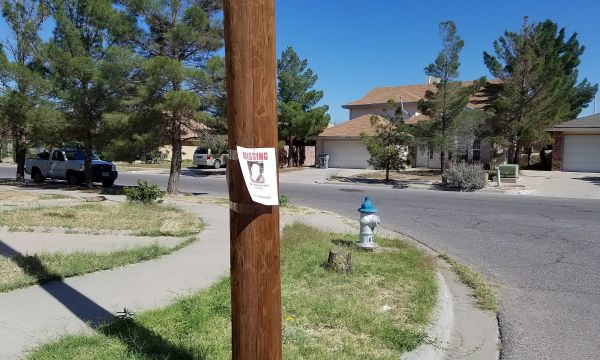
A new report shows that British citizens who are missing abroad were more than twice as likely to be found by UK police as police in the country of disappearance.

Research by the Centre for the Study of Missing Persons (CSMP) at the University of Portsmouth also shows they were likely to be missing for much longer than if they disappeared in the UK.

The study found that British people who vanish abroad tend to be missing for extended periods, on average 134 days. This compares with 88 percent of people who go missing in the UK being found within the first 48 hours.

Dr Karen Shalev-Greene, Director of the Centre for the Study of Missing Persons at the University of Portsmouth, says: Missing persons cases within the UK are typically resolved within the first 48 hours, but British citizens who go missing abroad tend to take much longer to be found. Our analysis shows that only 17.4 percent of these people are discovered within the first two days. Furthermore, nearly a third of the sample remained missing for over a month.”

The researchers examined 330 closed cases from nine UK forces, relating to data collected between 2017 and 2019.  In total, 65 percent of those people who were reported missing abroad were either found by the UK police (41.8 percent), discovered by their family (11.9 percent) or returned by their own accord (11.6 percent). Non-UK police or authorities accounted for just 20 percent of all finds.

Nearly 42 percent of cases in this sample were resolved by the efforts of the UK police. This underlines the importance and effectiveness of UK police officers in making inquiries into these disappearances. It indicates that investigations abroad are resolved more quickly when UK police forces are involved at the earliest opportunity.

Dr Karen Shalev-Greene, Director of the Centre for the Study of Missing Persons at the University of Portsmouth

The report also showed that white middle aged men were the most likely group of British people to be reported missing abroad,  and the majority of people who had disappeared were last seen at their home address.

  • Most people (66.8 percent) were last seen at their home or neighbourhood
  • The average and median age was 33, ranging between 0 and 89 years old. This is contrasts with with a UK missing population that is mostly children.
  • The majority (59.1 percent) of people who were reported missing abroad were male. 40.3 percent were female. The remainder (0.6 percent) were transgender.
  • The vast majority of missing people were identified as white (67.4 percent)

The study was funded by the International Crime Co-ordination Centre.  It is thought to be amongst the first to break down missing abroad cases in such detail, enabling a range of trends, patterns and practices to be highlighted.

Detective Inspector Helen Lomas, International Crime Co-ordination Centre says: “Until now there has been no research as to the numbers and types of international missing person investigations and this needs to be rectified. Police officers need to be aware of how many people go missing abroad and what the patterns of such disappearances are.

This study explores these gaps, and the unique challenges faced by investigators tasked at solving these cases. This report examines these issues with a view to making immediate recommendations in the short term that can be taken forward to inform training, response and future research.

Detective Inspector Helen Lomas,

The study also shows the circumstances leading to a disappearance are different to those previously considered to be stereotypical cases, such as cases of getting lost, abduction or homicide. The results suggest that the majority of people are reported missing due to misunderstanding, miscommunication or lost documents – (20 percent) followed by lost contact (16.1 percent) and asylum seeker, refugee or migrant, including visiting family and travelling (13.2 percent).

A number of recommendations have been made, based on the findings of this study. They include; future training, consideration of the increased length of time UK police spend on these cases, the cost and burden of these cases and the challenges of working abroad.  A central database that gathers and collates information on missing abroad cases is also recommended to promote understanding of these cases and to reduce ambiguity between forces.


from ScienceBlog.com https://ift.tt/3kjGD3L

Increased green space in prisons can reduce self-harm and violence

Increased green space in prisons can reduce self-harm and violence

Prisons with more green space have lower levels of violence and self-harm, according to new research at the University of Birmingham and Utrecht University.

The study is the first to attempt large-scale mapping of green space within prison environments and link it to well-being in a robust, statistically significant way. The results are published in Annals of the American Association of Geographers.

The researchers used GIS mapping to identify the percentages of green space (such as trees, lawns and shrubbery) within prisons in England and Wales. They compared this with available data about incidents of self-harm, prisoner assaults on staff and violence between prisoners. They also drew on information about the age and function of individual establishments – for example their capacity, what the security level was, whether they accommodated men, women or young offenders, and whether they were purpose-built prisons, or converted from other types of buildings such as military bases.

Their findings showed that taking all of these factors into account, prisons with a higher presence of green space had lower levels of self-harm, and lower levels of prisoner-on-prisoner violence and assaults on prison staff.

The study is significant since it demonstrates that the beneficial effects of nature contact, already recognised in other institutional contexts such as hospitals and schools, are also to be found in prisons. Self-harm and violence are currently at very high levels in prisons in England and Wales, with over 61,000 incidents of self-harm in the 12 months to September 2019. Over the same period, there were more than 33,000 incidents of violence between prisoners, and more than 10,000 assaults on staff.

While it is not possible to calculate the personal and emotional costs of these incidents, the costs of hospital treatment from self-harm amount to some £2.7 million, while the costs of litigation arising from violent incidents are also significant. Her Majesty’s Prison and Probation Service has not disclosed the full costs of legal actions, but has paid out £85 million in litigation claims between 2016 and 2019.

The team’s findings, shared with the Ministry of Justice ahead of publication, therefore show that through improving wellbeing, increasing green spaces within prisons should also help in terms of managing costs and minimising staff absence.

Lead researcher, Professor Dominique Moran, of the University of Birmingham’s School of Geography, Earth and Environmental Sciences, says: “Our evidence shows clear and demonstrable benefits from the presence of green space for prisoners in all categories of prison. It’s clear that inclusion of green space should be a key design element for new prisons, and existing prisons should convert existing outdoor areas to provide more green space wherever possible.”


from ScienceBlog.com https://ift.tt/3sj1pmI

Positive Reinforcements Help Algorithm Forecast Underground Natural Reserves

Positive Reinforcements Help Algorithm Forecast Underground Natural Reserves

Texas A&M University researchers have designed a reinforcement-based algorithm that automates the process of predicting the properties of the underground environment, facilitating the accurate forecasting of oil and gas reserves.

Within the Earth’s crust, layers of rock hold bountiful reservoirs of groundwater, oil and natural gas. Now, using machine learning, researchers at Texas A&M University have developed an algorithm that automates the process of determining key features of the Earth’s subterranean environment. They said this research might help with accurate forecasting of our natural reserves.

Specifically, the researchers’ algorithm is designed on the principle of reinforcement or reward learning. Here, the computer algorithm converges on the correct description of the underground environment based on rewards it accrues for making correct predictions of the pressure and flow expected from boreholes.

“Subsurface systems that are typically a mile below our feet are completely opaque. At that depth we cannot see anything and have to use instruments to measure quantities, like pressure and rates of flow,” said Siddharth Misra, associate professor in the Harold Vance Department of Petroleum Engineering and the Department of Geology and Geophysics. “Although my current study is a first step, my goal is to have a completely automated way of using that information to accurately characterize the properties of the subsurface.”

The algorithm is described in the December issue of the journal Applied Energy.

Simulating the geology of the underground environment can greatly facilitate forecasting of oil and gas reserves, predicting groundwater systems and anticipating seismic hazards. Depending on the intended application, boreholes serve as exit sites for oil, gas and water or entry sites for excess atmospheric carbon dioxide that need to be trapped underground.

Along the length of the boreholes, drilling operators can ascertain the pressures and flow rates of liquids or gas by placing sensors. Conventionally, these sensor measurements are plugged into elaborate mathematical formulations, or reservoir models, that predict the properties of the subsurface such as the porosity and permeability of rocks.

But reservoir models are mathematically cumbersome, require extensive human intervention, and at times, even give a flawed picture of the underground geology. Misra said there has been an ongoing effort to construct algorithms that are free from human involvement yet accurate.

For their study, Misra and his team chose a type of machine-learning algorithm based on the concept of reinforcement learning. Simply put, the software learns to make a series of decisions based on feedback from its computational environment.

“Imagine a bird in a cage. The bird will interact with the boundaries of the cage where it can sit or swing or where there is food and water. It keeps getting feedback from its environment, which helps it decide which places in the cage it would rather be at a given time,” Misra said. “Algorithms based on reinforcement learning are based on a similar idea. They too interact with an environment, but it’s a computational environment, to reach a decision or a solution to a given problem.”

So, these algorithms are rewarded for favorable predictions and are penalized for unfavorable ones. Over time, reinforcement-based algorithms arrive at the correct solution by maximizing their accrued reward.

Another technical advantage of reinforcement-based algorithms is that they do not make any presuppositions about the pattern of data. For example, Misra’s algorithm does not assume that the pressure measured at a certain time and depth is related to what the pressure was at the same depth in the past. This property makes his algorithm less biased, thereby reducing the chances of error at predicting the subterranean environment.

When initiated, Misra’s algorithm begins by randomly guessing a value for porosity and permeability of the rocks constituting the subsurface. Based on these values, the algorithm calculates a flow rate and pressure that it expects from a borehole. If these values do not match the actual values obtained from field measurements, also known as historical data, the algorithm is penalized. Consequently, it is forced to correct its next guess for the porosity and permeability. However, if its guesses were somewhat correct, the algorithm is rewarded and makes further guesses along that direction.

The researchers found that within 10 iterations of reinforcement learning the algorithm was able to correctly and very quickly predict the properties of simple subsurface scenarios.

Misra noted that although the subsurface simulated in their study was simplistic, their work is still a proof of concept that reinforcement algorithms can be used successfully in automated reservoir-property predictions, also referred as automated history matching.

“A subsurface system can have 10 or 20 boreholes spread over a two- to five-mile radius. If we understand the subsurface clearly, we can plan and predict a lot of things in advance, for example, we would be able to anticipate subsurface environments if we go a bit deeper or the flow rate of gas at that depth,” Misra said. “In this study, we have turned history matching into a sequential decision-making problem, which has the potential to reduce engineers’ efforts, mitigate human bias and remove the need of large sets of labeled training data.”

He said future work will focus on simulating more complex reservoirs and improving the computational efficiency of the algorithm.

Hao Li of the University of Oklahoma was a contributor to this work. This research is funded by the United States Department of Energy.


from ScienceBlog.com https://ift.tt/2ZMuWJs

Reddit shows people with kidney stones have been less likely to seek treatment during pandemic

Reddit shows people with kidney stones have been less likely to seek treatment during pandemic

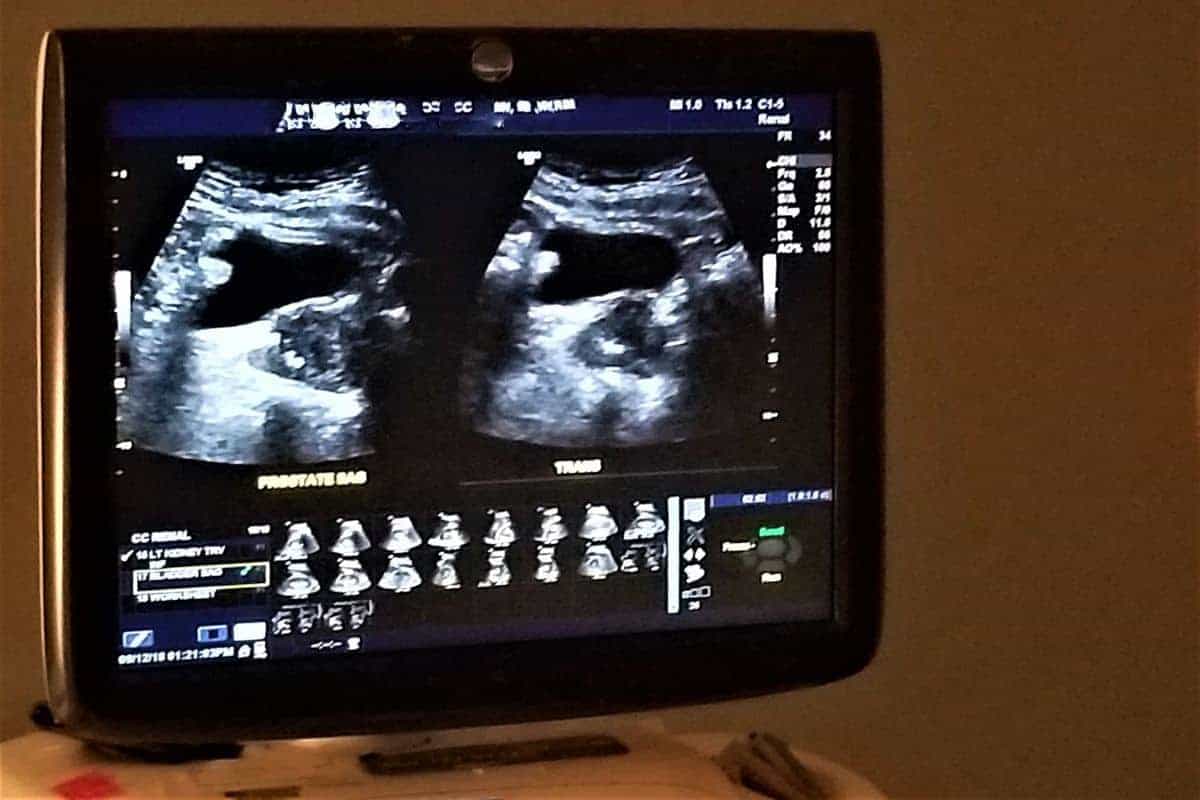
According to an examination of posts on Reddit, the pandemic has had a significant effect on the management of kidney stone disease. Researchers from the department of urology at the David Geffen School of Medicine at UCLA used computational analysis and other techniques to explore unfiltered discussions related to kidney stones in real time on the website’s discussion forums.

The investigators found that patients’ decision-making about how and when to seek treatment for kidney stones was driven by logistical barriers and patients’ reluctance to risk exposure to COVID-19 in health care facilities. Over a quarter of Reddit users who reported their stone sizes opted for conservative at-home treatment even when clinical guidelines would have suggested that they needed care from a medical professional. People reported on the site that they often held off on visiting an emergency room until they had larger stones, often creating serious additional health risks.

And, based on Reddit posts in which users mentioned the sizes of their kidney stones, the average size of stones at the time they saw a medical professional was 10.5 millimeters during the pandemic, up from an average of 5.1 millimeters for those on the discussion board before the pandemic. There also was a threefold increase in the number of discussions on the website about using opioids at home to control symptoms from kidney stones during the pandemic versus before the pandemic.

BACKGROUND

About 11% of men and 6% of women in the U.S. have kidney stones at least once during their lives. Due to public health precautions during the COVID-19 pandemic, the number of in-person visits to doctors or hospitals is lower, and many surgical procedures have been delayed or cancelled. The decision to seek medical treatment typically comes from the patient, rather than their doctor.

METHOD

Researchers combed through a Reddit discussion board on the topic of kidney stones, r/KidneyStones, which has more than 4,000 active users. They looked at posts three months before and after pandemic restrictions went into effect.

Investigators then processed discussions to identify factors driving patients’ decision-making regarding treatment for their kidney stones and used a technique called natural language processing to identify how subtle or overt changes in word choice may have been augmented during the pandemic. Finally, they examined whether non-emergency visits to health care facilities, the severity of kidney stone disease, and patients’ treatment preferences changed during the pandemic.

IMPACT

Throughout the COVID-19 pandemic, there have been discussions across the health care field about how public health restrictions have influenced patients’ decisions to seek treatment for other, unrelated conditions. As with other research on how pandemics can affect health care delivery, researchers hope to learn more about patient’s emergency department visits and their treatment preferences for the stone disease.

AUTHORS

The paper’s lead authors are Tommy Jiang, a second-year medical student at the David Geffen School of Medicine, and UCLA urology residents Dr. Vadim Osadchiy and Dr. James Weinberger. The senior authors are UCLA urology assistant clinical professor Dr. Sriram Eleswarapu and associate clinical professor Dr. Jesse Mills.

JOURNAL

The findings are published in the journal Endourology.


from ScienceBlog.com https://ift.tt/3r48mrX

New experiences enhance learning by resetting key brain circuit

New experiences enhance learning by resetting key brain circuit

A study of spatial learning in mice shows that exposure to new experiences dampens established representations in the brain’s hippocampus and prefrontal cortex, allowing the mice to learn new navigation strategies. The study, published in Nature, was supported by the National Institutes of Health.

“The ability to flexibly learn in new situations makes it possible to adapt to an ever-changing world,” noted Joshua A. Gordon, M.D., Ph.D., a senior author on the study and director of the National Institute of Mental Health, part of NIH.  “Understanding the neural basis of this flexible learning in animals gives us insight into how this type of learning may become disrupted in humans.”

Dr. Gordon co-supervised the research project with Joseph A. Gogos, M.D., Ph.D.(link is external), and Alexander Z. Harris, M.D., Ph.D.(link is external), both of Columbia University, New York City.

Whenever we encounter new information, that information must be consolidated into a stable, lasting memory for us to recall it later. A key mechanism in this memory consolidation process is long-term potentiation, which is a persistent strengthening of neural connections based on recent patterns of activity. Although this strengthening of neural connections may be persistent, it can’t be permanent, or we wouldn’t be able to update memory representations to accommodate new information. In other words, our ability to remember new experiences and learn from them depends on information encoding that is both enduring and flexible.

To understand the specific neural mechanisms that make this plasticity possible, the research team, led by Alan J. Park, Ph.D.(link is external), of Columbia, examined spatial learning in mice.

Spatial learning depends on a key circuit between the ventral hippocampus (a structure located in the middle of the brain) and the medial prefrontal cortex (located just behind the forehead). Connectivity between these brain structures strengthens over the course of spatial learning. If the connectivity remains at maximum strength, however, it impairs later adaptation to new tasks and rules. The researchers hypothesized that exposure to a new experience may serve as an environmental trigger that dampens established hippocampal-prefrontal connectivity, enabling flexible spatial learning.

In the first task, the researchers trained mice to navigate a maze in a certain way to receive a reward. Some of the mice were then allowed to explore a space they hadn’t seen before, while others explored a familiar space. The mice then engaged in a second spatial task, which required that they switch to a new navigation strategy to get a reward.

As expected, all of the mice favored their original navigation strategy at first. But the mice that had explored a new space gradually overcame this bias and successfully learned the new navigation strategy about halfway through the 40-trial training session. When the researchers tested a subset of the mice on the first task again, they found that the novelty-exposed mice were able to switch back to the original strategy, indicating that they updated and chose their strategy according to the task demands.

Additional findings showed that the effects of novelty extended beyond new spaces: Encountering new mice before the second task also enhanced learning of the new reward strategy.

Changes in brain activity throughout training revealed the neuronal mechanisms that drive this novelty-enhanced learning. In rodents, there is a well-defined firing pattern in the hippocampus known as the theta wave, which is thought to play a central role in learning and memory. When Park and coauthors examined recordings from the ventral hippocampus, they found that the theta wave became stronger during exploration of the novel arena and the hour that followed; the theta wave decreased as the mice became familiar with the arena over the next two days. The researchers found that novelty exposure also disrupted encoding of the original navigation strategy, reorganizing the firing pattern of individual neurons in the ventral hippocampus to bring them in sync with the theta wave.

At the same time, neurons in the medial prefrontal cortex showed decreased theta wave synchrony, and correlations between hippocampal activity and prefrontal activity weakened. These and other findings suggest that novelty exposure dampened the synaptic connections between the ventral hippocampus and medial prefrontal cortex, resetting the circuit to allow for subsequent strengthening of connectivity associated with learning.

By triggering this reset, novelty appears to facilitate strategy updating in response to the task’s specific reward structure. Machine learning analyses indicated that, following novelty exposure, ventral hippocampal neurons switched encoding from a strategy that predicted reward on the first task to one that predicted reward on the second task. The task-specific information was then relayed to the medial prefrontal neurons, which updated encoding accordingly.

On a chemical level, the neurotransmitter dopamine acts as a key mediator of this plasticity. Several experiments showed that activating dopamine D1-receptors in the ventral hippocampus led to novelty-like effects, including dampened hippocampal-prefrontal connectivity and enhanced learning. Blocking D1-receptors prevented these novelty-induced effects.

Together, these findings shed light on some of the brain mechanisms that play a role in flexible information encoding.

“Our study points to novelty as one way to trigger the circuitry reset that facilitates spatial learning in mice,” said Park. “The next step is to build on these findings and explore whether novelty plays a similar role in human memory and learning.”

Grants: MH096274, MH018870-29, MH117454, MH109735

This press release describes a basic research finding. Basic research increases our understanding of human behavior and biology, which is foundational to advancing new and better ways to prevent, diagnose, and treat disease. Science is an unpredictable and incremental process — each research advance builds on past discoveries, often in unexpected ways. Most clinical advances would not be possible without the knowledge of fundamental basic research. To learn more about basic research, visit https://www.nih.gov/news-events/basic-research-digital-media-kit.


from ScienceBlog.com https://ift.tt/3sgyJuO

Bacteriophage therapy could fight drug-resistant Klebsiella pneumoniae

Bacteriophage therapy could fight drug-resistant Klebsiella pneumoniae

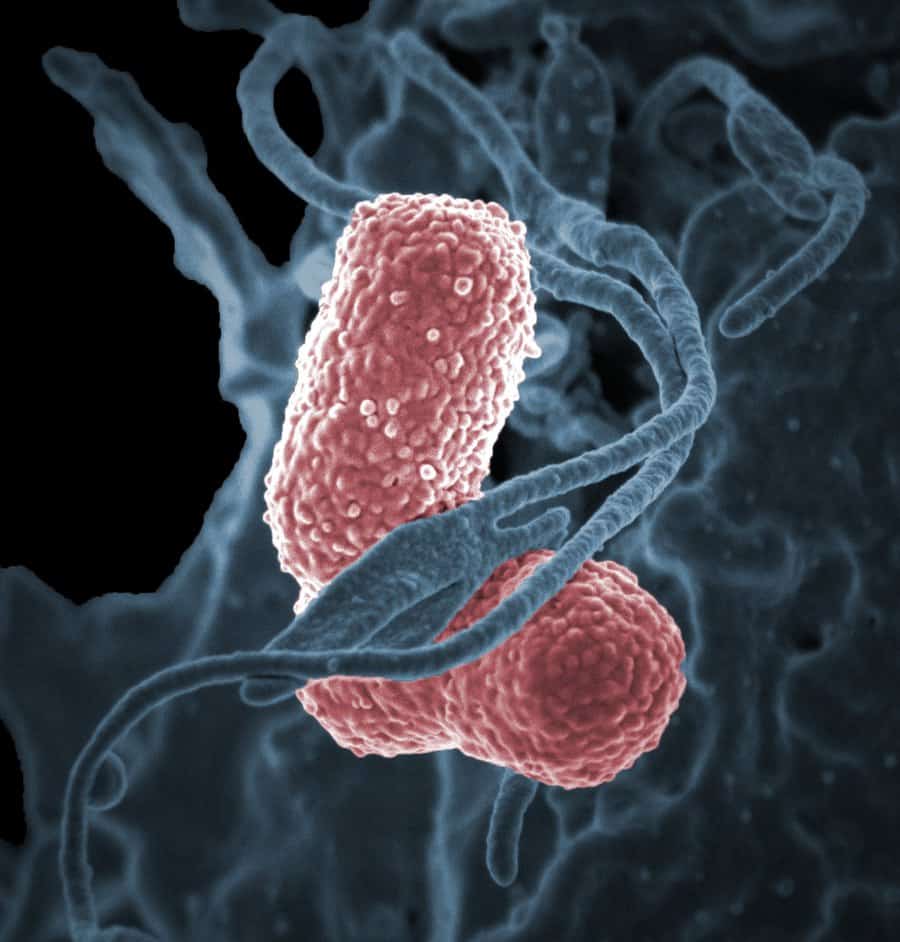
Using viruses instead of antibiotics to tame troublesome drug-resistant bacteria is a promising strategy, known as bacteriophage or “phage therapy.” Scientists at the National Institutes of Health have used two different bacteriophage viruses individually and then together to successfully treat research mice infected with multidrug-resistant Klebsiella pneumoniae sequence type 258 (ST258). The bacterium K. pneumoniae ST258 is included on a Centers for Disease Control and Prevention list of biggest antibiotic resistance threats in the United States. High rates of morbidity and mortality are associated with untreated K. pneumoniae infections.

Phage therapy has been pursued for about a century, though conclusive research studies are rare and clinical results — from a handful of reports — have provided mixed results. In the new paper published in the journal mBio, the NIH scientists note that phages are of great interest today because of a dearth of alternative treatment options for drug-resistant infections. Bacterial resistance has emerged against even the newest drug combinations, leaving some patients with few or no effective treatment options.

In research conducted in Hamilton, Montana, at Rocky Mountain Laboratories — part of the NIH’s National Institute of Allergy and Infectious Diseases — and in collaboration with the National Cancer Institute in Bethesda, Maryland, scientists completed a series of studies on research mice infected with ST258. They treated the mice with either phage P1, phage P2, or a combination of the two, all injected at different times following ST258 infection. The scientists had isolated phages P1 and P2 in 2017 from raw sewage that they screened for viruses that would infect ST258 — an indication that phages can be found just about any place. Phages P1 and P2 are viruses from the order Caudovirales, which naturally infect bacteria.

Each of the three experimental treatment regimens helped the mice recover from ST258 infection. The scientists noted that the dose of phage provided was less vital to recovery than was the timing of when the dose was received. Mice treated one hour after infection showed the strongest recovery, followed by those treated eight hours after infection and then those treated at 24 hours. Control mice treated with saline all quickly developed severe disease and died.

The scientists also checked the blood and tissue of phage-treated mice for the presence of ST258 bacteria and found there were significantly fewer bacteria at all time points regardless of the treatment method used, as compared to control mice.

Unfortunately, the scientists also found that ST258 bacteria recovered in the blood and tissue samples of phage-treated mice already had begun developing phage resistance, a finding they are continuing to investigate. The group also is studying how phage therapy results compare between samples of ST258-infected mouse blood and human blood, and are examining whether components of human blood can interfere with phage efficacy.

This study represents a first step in evaluating the use of phage therapy for treatment of severe K. pneumoniae ST258 infection in humans.

Article

S Hesse et al. Bacteriophage Treatment Rescues Mice Infected with Multidrug-Resistant Klebsiella pneumoniae ST258. mBio DOI: 10.1128/mBio.00034-21 (2021).

Related

S Hesse et al. Phage Resistance in Multidrug-Resistant Klebsiella pneumoniae ST258 Evolves via Diverse Mutations That Culminate in Impaired Adsorption. mBio DOI: 10.1128/mBio.02530-19 (2020).

Who

Frank DeLeo, Ph.D., chief of the Laboratory of Bacteriology at NIAID’s Rocky Mountain Laboratories, and Shayla Hesse, M.D., a clinical fellow at the National Cancer Institute, are available to comment on this study.


from ScienceBlog.com https://ift.tt/3aQn6ol

50th Edition of World Science Awards 2026 to Celebrate Global Research and Innovation in London

  50th Edition of World Science Awards 2026 to Celebrate Global Research and Innovation in London The 50th Edition of World Science Awards ...