Thursday, July 1, 2021

A crystal made of electrons

A crystal made of electrons

Crystals have fascinated people through the ages. Who hasn’t admired the complex patterns of a snowflake at some point, or the perfectly symmetrical surfaces of a rock crystal The magic doesn’t stop even if one knows that all this results from a simple interplay of attraction and repulsion between atoms and electrons. A team of researchers led by Atac Imamoglu, professor at the Institute for Quantum Electronics at ETH Zurich, have now produced a very special crystal. Unlike normal crystals, it consists exclusively of electrons. In doing so, they have confirmed a theoretical prediction that was made almost ninety years ago and which has since been regarded as a kind of holy grail of condensed matter physics. Their results were recently published in the scientific journal “Nature“.

A decades-old prediction

“What got us excited about this problem is its simplicity”, says Imamoglu. Already in 1934 Eugene Wigner, one of the founders of the theory of symmetries in quantum mechanics, showed that electrons in a material could theoretically arrange themselves in regular, crystal-like patterns because of their mutual electrical repulsion. The reasoning behind this is quite simple: if the energy of the electrical repulsion between the electrons is larger than their motional energy, they will arrange themselves in such a way that their total energy is as small as possible.

For several decades, however, this prediction remained purely theoretical, as those “Wigner crystals” can only form under extreme conditions such as low temperatures and a very small number of free electrons in the material. This is in part because electrons are many thousands of times lighter than atoms, which means that their motional energy in a regular arrangement is typically much larger than the electrostatic energy due to the interaction between the electrons.

Electrons in a plane

To overcome those obstacles, Imamoglu and his collaborators chose a wafer-thin layer of the semiconductor material molybdenum diselenide that is just one atom thick and in which, therefore, electrons can only move in a plane. The researchers could vary the number of free electrons by applying a voltage to two transparent graphene electrodes, between which the semiconductor is sandwiched. According to theoretical considerations the electrical properties of molybdenum diselenide should favour the formation of a Wigner crystal – provided that the whole apparatus is cooled down to a few degrees above the absolute zero of minus 273.15 degrees Celsius.

However, just producing a Wigner crystal is not quite enough. “The next problem was to demonstrate that we actually had Wigner crystals in our apparatus”, says Tomasz Smolenski, who is the lead author of the publication and works as a postdoc in Imamoglu’s laboratory. The separation between the electrons was calculated to be around 20 nanometres, or roughly thirty times smaller than the wavelength of visible light and hence impossible to resolve even with the best microscopes.

Detection through excitons

Using a trick, the physicists managed to make the regular arrangement of the electrons visible despite that small separation in the crystal lattice. To do so, they used light of a particular frequency to excite so-called excitons in the semiconductor layer. Excitons are pairs of electrons and “holes” that result from a missing electron in an energy level of the material. The precise light frequency for the creation of such excitons and the speed at which they move depend both on the properties of the material and on the interaction with other electrons in the material – with a Wigner crystal, for instance.

The periodic arrangement of the electrons in the crystal gives rise to an effect that can sometimes be seen on television. When a bicycle or a car goes faster and faster, above a certain velocity the wheels appear to stand still and then to turn in the opposite direction. This is because the camera takes a snapshot of the wheel every 40 milliseconds. If in that time the regularly spaced spokes of the wheel have moved by exactly the distance between the spokes, the wheel seems not to turn anymore. Similarly, in the presence of a Wigner crystal, moving excitons appear stationary provided they are moving at a certain velocity determined by the separation of the electrons in the crystal lattice.

First direct observation

“A group of theoretical physicists led by Eugene Demler of Harvard University, who is moving to ETH this year, had calculated theoretically how that effect should show up in the observed excitation frequencies of the excitons – and that’s exactly what we observed in the lab”, Imamoglu says. In contrast to previous experiments based on planar semiconductors, in which Wigner crystals were observed indirectly through current measurements, this is a direct confirmation of the regular arrangement of the electrons in the crystal. In the future, with their new method Imamoglu and his colleagues hope to investigate exactly how Wigner crystals form out of a disordered “liquid” of electrons.

Reference

Smolenski, T., Dolgirev, P.E., Kuhlenkamp, C. et al. Signatures of Wigner crystal of electrons in a monolayer semiconductor. Nature 595, 53-57 (2021). https://doi.org/10.1038/s41586-021-03590-4


from ScienceBlog.com https://ift.tt/3dvOSHW

Forget cash! Credit is key to the survival of busking

Forget cash! Credit is key to the survival of busking

Economists at RMIT University in Melbourne, Australia, economists found passers-by often donated more when paying via a digital platforms like apps, QR codes, PayPal and even Bitcoin, compared to the centuries’ old payment method of loose coins.

Using data from the online platform The Busking Project, the study analysed individual payments to over three and half thousand active buskers from 121 countries to predict the characteristics of performers who were more likely to receive online donations.

The study found North America and Europe were home to the most active buskers and audiences on the platform, with buskers registered in the UK and USA having significantly higher prospects of receiving a donations.

The study also found:

  • Circus performers received the biggest donations;
  • Musicians were most likely to receive donations, but received smaller amounts compared to other types of artists;
  • The number of other onlookers influenced if and how much passers-by donated;
  • The artist’s location and social media profile also impacted and influenced receiving a donation
  • Artists who joined the platform after the World Health Organisation (WHO) announcement that COVID-19 was a pandemic in March 2020 were more likely to receive a donation, which ranged from US$1 to over US$500 and averaged at just over US$14.

Lead author Dr Meg Elkins said street performers had a critical role to play as cities looked to bring back the buzz to their CBDs in the wake of the COVID-19 pandemic.

“Buskers often exist on the cultural fringes and get little, if any funding, but can bring vibrancy to streets, squares and shopping strips as people walk from the train to their office or duck out during their lunch hour,” Elkins said.

“Europe and America have well-established busking cultures from Covent Gardens in London, Mauerpark in Berlin, to the many and varied roving performers in New York’s Washington Square Park and subway stations, and this time of year when the northern summer is beginning is when it’s often at its finest.

“Buskers performing in public for coin is a centuries old practice, but they have to move online as our society becomes increasingly cashless.

“We know many street performers become personalities in their own right and we wanted to uncover how they could use digital payment systems to increase their online earnings and create more sustainable careers.

“Circus performers being more likely to attract online donations might be because they’re better at incorporating that ‘hat line’ into their performance compared to musicians who are traditionally much more static.”

Elkins, a Senior Lecturer in the School of Economics, Finance and Marketing at RMIT University and its the Behavioural Business Lab, said the findings were important as artists and the creative and cultural industries had to become more entrepreneurial to survive.

“In the future, we could see QR codes as part of the street performance, which would simplify the payment process even further,” she said.

“More than 40 QR code trails are underway across Europe, the US and Australia.

“Digital platforms can potentially allow street performers to generate more generous donations beyond cash tips.

“They’re also a great way for artists to interact with supporters and build that all important fan base, which can ultimately help sustain a career.”

‘Beyond the realm of cash: Street performers and payments in the online world’ with Tim R.L. Fry is published in the Journal of Cultural Economics (DOI: 10.1007/s10824-021-09421-8).


from ScienceBlog.com https://ift.tt/3juysTX

Researchers Develop Wearable Sensor to Monitor Oxygen Levels through Skin

Researchers Develop Wearable Sensor to Monitor Oxygen Levels through Skin

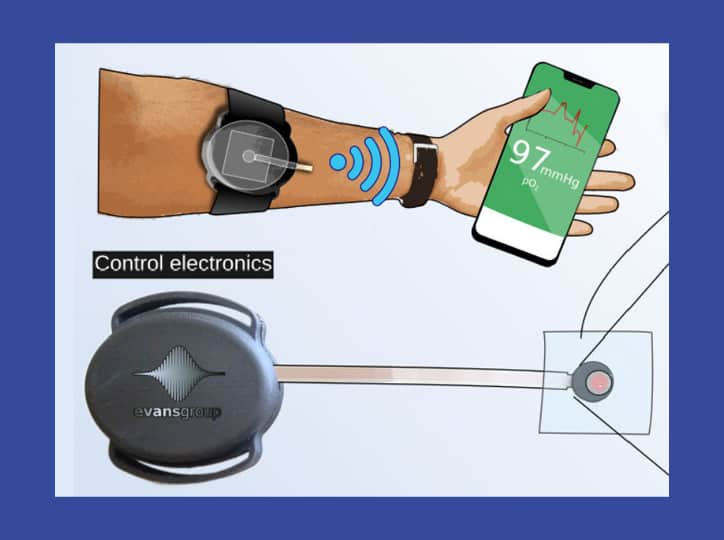
Researchers have combined a new oxygen sensing film with machine learning to create a wearable sensor capable of measuring tissue oxygenation through skin. The device could be used to monitor a person’s oxygen levels on a continuous basis for applications in medicine and sports.

The wireless device is easy to operate and communicates wirelessly, making it well suited for remotely monitoring oxygen levels outside of healthcare settings.

“The device is intended for any scenario where there is a risk of compromised blood flow and a lack of oxygen to limbs and tissues”, said Conor Evans, the principal investigator on the project. “The technology is particularly powerful for medical situations where the traditional blood oxygen saturation tools fail to provide adequate information. The applications of this wearable wireless oxygen device range from traumatic injuries such as car accidents and battlefield injuries to post-surgical monitoring and wound care.”

Juan Pedro Cascales and Conor L. Evans from Massachusetts General Hospital and Harvard Medical School will present the research at the virtual OSA Imaging and Applied Optics Congress and Optical Sensors and Sensing Congress to be held 19-23 July.

The device, worn like a wristwatch midway up the forearm, consists of a 3D printed casing, a small sensor head and adhesive oxygen sensing film. Electronic components process data from the sensor and allow the device to send recordings via Bluetooth or Wi-Fi.

The sensor works by detecting the phosphorescence lifetime and intensity of an acrylic oxygen sensing film. Two LEDs in the sensor head excite the oxygen sensing film with ultraviolet light. A photodiode detects the phase of light emitted by the oxygen sensing film in response. Comparing the phase of the light emitted by the LEDs with the phase of light emitted by the oxygen sensing film provides a measure of the oxygen level in the tissue under the film.

“This is the first truly wearable noninvasive transcutaneous oxygen monitor,” said Juan Pedro Cascales, lead author on the project. “The simplicity, accuracy, small size, and ease-of-use of the device means it can go just about anywhere and be used by doctors, nurses, paramedics, and well as patients in their own home.”

To calibrate the sensor, researchers exposed the device to a variety of temperatures inside a chamber with a mix of nitrogen and air and adjusted the calibrations until the phases aligned with those of a commercial sensor.

The researchers tested the device by attaching it to the front limb of a Yorkshire pig. When a tourniquet was applied over the elbow joint, the sensor detected a drop in oxygen reflecting the reduction in blood flow. The measurements were well aligned with those from a commercial reference sensor and were not affected by variations in temperature, humidity or other environmental factors, making the sensor practical for use outside the lab.

The team used a machine learning approach to train the system to accurately measure oxygen levels under different conditions. This approach also allowed researchers to account for photobleaching, the tendency for light-excited materials to gradually lose their ability to emit light. Photobleaching is a common limitation of devices based on measuring light intensity.

“We are now carrying out first-in-human clinical trials, and are excited to share our results soon” said Evans. “We are also building smaller, more ergonomic and optimized versions of the device that can communicate with any smartwatch, smartphone, tablet, or computer,” added Cascales.

The innovate project has been funded by the Department of Defense through both the Military Medical Photonics Program as well as the Transforming Technologies for the Warfighter Program.


from ScienceBlog.com https://ift.tt/3641VMz

Embryo selection aimed at ensuring intelligence of children

Embryo selection aimed at ensuring intelligence of children

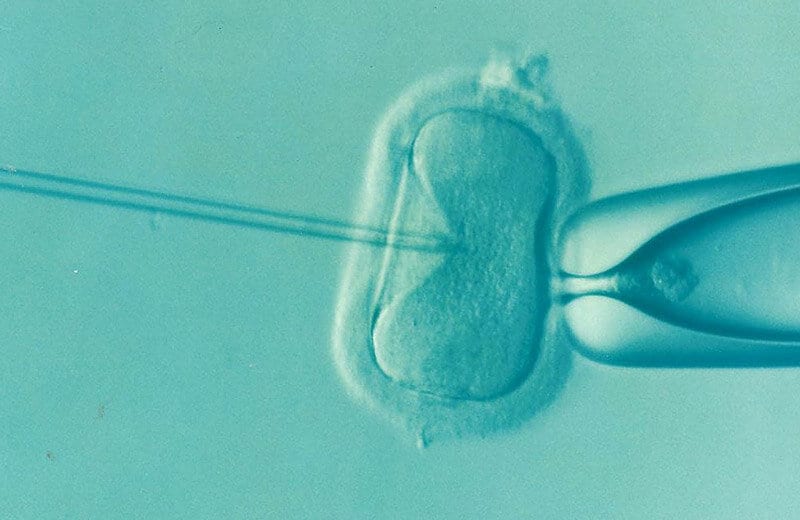
A special report published in the New England Journal of Medicine raises serious questions about the benefits, risks and ethics of a new service — which the authors call “embryo selection based on polygenic scores,” or ESPS. The service allows in vitro fertilization patients to select embryos with the goal of choosing healthier and even smarter children.

In the report “Problems with Using Polygenic Scores to Select Embryos,” the multinational team of researchers describes the limitations of the service. They also warn that patients, and even in vitro fertilization clinicians, may think that the service is more effective and less risky than it is.

The authors highlight that since the same gene often influences many different traits, selecting for one trait can lead to the unintentional selection of adverse traits. They also warn that using the service has the potential to alter population demographics, exacerbate socioeconomic inequalities and devalue certain traits.

If ESPS continues to be available to IVF patients, the researchers call on the U.S. Federal Trade Commission to develop and enforce standards for responsible communication about the service. The authors also call for a society-wide conversation about the ethical use of the technology and whether it should be regulated.

An imperfect way to ensure healthy children

Polygenic scores are predictions of individual health and other outcomes derived from studies of the genome. In adults, polygenic scores have been shown to partially predict those outcomes. However, their predictive power is significantly reduced when comparing embryos to one another, the report authors explain.

“Polygenic scores are already only weak predictors for most individual adult outcomes, especially for social and behavioral traits, and there are several factors that lower their predictive power even more in the context of embryo selection,” said Patrick Turley, assistant professor (research) of economics at the USC Dornsife College of Letters, Arts and Sciences and co-first author of the paper. “Polygenic scores are designed to work in a different setting than an IVF clinic. These weak predictors will perform even worse when used to select embryos.”

Turley, who is also director of the Behavioral and Health Genomics Center at the USC Dornsife Center for Economic and Social Research, and his colleagues on the study examined if ESPS is any more effective at ensuring future health than random selection of embryos. To do so, they modeled the expected difference in a future individual’s risk for several diseases, comparing the use of ESPS to select an embryo versus choosing one viable embryo at random from among 10. They found that, in most cases, the reduction of disease risk the service offers is very small and highly uncertain.

Multiple companies are now working with IVF clinics to offer the service to patients who want to select an embryo with a lower chance of growing up to develop diabetes, cancer, heart disease, Alzheimer’s disease, inflammatory bowel disease and schizophrenia. One company also offers the service for the purpose of selecting embryos according to their predicted educational attainment, household income and cognitive ability. The founder of another company has not ruled out someday offering ESPS in some countries to choose skin color or above-average mental ability.

Drawbacks to the selection service 

For ESPS to work, polygenic scores need to give at least moderately accurate predictions of whether the selected embryos will end up developing a certain trait or not. The studies that generate the polygenic scores sometimes suggest moderate or even large differences in actual outcomes between people with high versus low scores, but those differences are based on a sample of people from different families. As Turley and colleagues note, ESPS usually involves comparing members of the same family, which significantly lowers its predictive power.

Additionally, the studies that produce polygenic scores involve people with similar ancestries and mostly European ancestries. As a result, most polygenic scores constructed today will be less predictive for people of other ancestries.

Finally, assessments of the predictive power of polygenic scores typically assume very similar environments for the generation enrolled in the original study and the generation that will be born as a result of ESPS. But by the time an embryo selected by the service is an adult, the person may face a very different environment.

Widespread use of ESPS raises other risks, as well. For instance, the researchers warn that use of the service could exacerbate existing health and other disparities, as it is largely only accessible to the relatively wealthy and it currently works best among those with European ancestries. It might also amplify prejudice and discrimination by signaling that existing people with traits that parents select against are less valuable.

“Some countries have authorities that decide which traits embryos can be tested for,” said Michelle N. Meyer, assistant professor of bioethics and a legal scholar at Geisinger Health System and co-first author of the special report. “But in the U.S., there is a strong legal and ethical tradition of viewing reproductive decisions as matters of private individual choice. In the short term, the FTC should help establish what counts as adequate evidence to support claims about the expected benefits of ESPS and what counts as adequate information disclosure in this context.”

The researchers also call for professional medical societies to develop policies and guidance and for companies themselves to demonstrate that the information they provide to diverse customers is complete, accurate and well-understood.

They also say there needs to be a society-wide conversation about whether existing legal frameworks can adequately ensure accurate information about ESPS, and if limits on the use of the service should be adopted.

“Many individual reproductive decisions, aggregated over generations, can have profound societal consequences,” said Daniel J. Benjamin, corresponding author and a professor at the UCLA Anderson School of Management and David Geffen School of Medicine. “Collectively, these decisions could alter population demographics, exacerbate inequalities and devalue traits that are selected against.”

About the study

In addition to Turley, Meyer and Benjamin, authors on the study include Nancy Wang of the National Bureau of Economic Research; David Cesarini of New York University; Evelynn Hammonds and David Laibson of Harvard University; Alicia R. Martin, Ben M. Neale and Heidi L. Rehm of the Broad Institute of Harvard and MIT; Louise Wilkins-Haug of Harvard Medical School; Steven Hyman, M.D., Harvard University and Broad Institute of Harvard and MIT; and Peter M. Visscher of the University of Queensland, Australia.

The research was supported by the National Institutes of Health, Open Philanthropy, the Ragnar Söderberg Foundation, the Pershing Square Fund for Research on the Foundations of Human Behavior, the Robert Wood Johnson Foundation, the Russell Sage Foundation, the JPB Foundation, the National Health and Medical Research Council, the Stanley Family Foundation and the Australian Research Council.


from ScienceBlog.com https://ift.tt/3hsHzSe

Prenatal exposure to THC, CBD affects offspring’s responsiveness to Prozac

Prenatal exposure to THC, CBD affects offspring's responsiveness to Prozac

Scientists at Indiana University have found that significant amounts of the two main components of cannabis, THC and CBD, enter the embryonic brain of mice in utero and impair the mice’s ability as adults to respond to fluoxetine, a drug commonly used to treat anxiety and depression and known by the brand name Prozac.

The study suggests that when the developing brain is exposed to THC or CBD, normal interactions between endocannabinoid and serotonin signaling may be diminished as they become adults.

“Hemp-derived CBD is a legal substance in the U.S., and we are in a time of increasing state-level legalization of cannabis. Therefore, use of cannabis components have increased across most levels of society, including among pregnant women,” said Hui-Chen Lu, author of the study, director of the Linda and Jack Gill Center and a professor in the Department of Psychological and Brain Sciences in the IU Bloomington College of Arts and Sciences. “The study marks the beginning of an effort to understand the effects of THC and CBD on the endogenous cannabinoid system in the developing brain and body.”

The study was published in Cannabis and Cannabinoid Research and will be a part of the upcoming 2021 Gill Symposium, which will focus exclusively on the topic of cannabis.

Researchers studied four groups of pregnant mice. Some received daily moderate doses of either THC, CBD, or a combination of equal parts THC and CBD; a control group was given placebo injections throughout pregnancy. Using mass spectrometry, IU psychological and brain sciences professor Heather Bradshaw tested embryos and found that CBD and THC both could reach the embryonic brain, determining that the drug was making it past the placenta.

“The surprising part is that maternal exposure to CBD alone — a drug that is often considered as safe and harmless and is a popular ‘natural’ therapy for morning sickness — resulted in a lasting impact on adult mice offspring,” Lu said. “Both prenatal THC and CBD exposure impaired the adult’s ability to respond to fluoxetine. The results suggest taking a cautious approach to using CBD during pregnancy.”

There is some evidence for CBD’s effectiveness in treating chronic pain and anxiety, though the only FDA-approved indication for CBD to date is the treatment of severe seizure disorders.

“We still know very little about the effects of CBD on the developing brain,” Lu said.

The new paper is one of the first studies to see the potential negative impact of CBD on the developing brain and later behaviors.

Study co-author Ken Mackie, Gill Chair of Neuroscience at IU Bloomington, said researchers know that prenatal cannabis exposure may increase the risk for anxiety and depression, so it is important to evaluate the response to a class of drug used to treat anxiety and depression.

While many of the tests reflected normal mouse behaviors, one test — to determine their response to stress — stood out strongly as atypical. The mice in all groups responded normally to a stressful situation. As expected, fluoxetine increased stress resilience in mice whose mothers had received the placebo. However, the drug was ineffective in mice whose mothers had received THC, CBD or their combination.

Fluoxetine works by increasing the amount of serotonin available at brain synapses, an effect known to require the endocannabinoid system. This internal system of receptors, enzymes and molecules both mediates the effects of cannabis and plays a role in regulating various bodily systems, such as appetite, mood, stress and chronic pain.

To test if maternal exposure to THC and/or CBD impaired endocannabinoid signaling in the adult offspring, the researchers tested whether giving a drug to boost the endocannabinoid system would restore fluoxetine’s effectiveness. They found that enhancing the endocannabinoid system restored normal fluoxetine responses in mice that had received THC or CBD while their brains were developing.

Additional authors on the study are Izaque de Sousa Maciel, Gabriel de Abreu, Clare Johnson and Rida Bonday, all in the Gill Center and the IU Department of Psychological and Brain Sciences.

The study was funded by the IU Responding to the Addictions Crisis Grand Challenge, startup funds from the IU Bloomington College of Arts and Sciences and the Gill Endowment fund, as well as by the National Institute on Drug Abuse, which is part of the National Institutes of Health.


from ScienceBlog.com https://ift.tt/3ygcs30

Pacemaker-Like Devices Could Restore Lost Oral Function

Pacemaker-Like Devices Could Restore Lost Oral Function

Even the mundane act of swallowing requires a well-coordinated dance of more than 30 muscles of the mouth. The loss of function of even one of these due to disease or injury can be debilitating. For these people, nerve stimulation offers a ray of hope to regain some of their lost oral function.

In a new study, researchers at Texas A&M University have delineated the minimum size of electrical currents needed to provide sensation in different parts of the mouth. The researchers said their study is a first but vital step toward building electrical stimulation implants that can restore essential intraoral functions that are lost due to nerve or brain damage.

The results of the study are published in the journal Institute of Electric and Electronics Engineers’ (IEEE) Transactions on Biomedical Engineering.

Many essential bodily functions are coordinated by the nervous system via sensorimotor feedback loops. As the name suggests, these neural circuits involve the brain interpreting incoming signals from sensory nerves and then commanding the motor nerves to execute a certain movement. For example, sensorimotor loops play a vital role in voluntary functions, like walking or holding an object, and involuntary movements, like sneezing or blinking.

Within the mouth, also referred to as the intraoral cavity, there is a rich supply of both sensory and motor nerves. In particular, sensorimotor nerves in the soft palate and tongue coordinate several intraoral movements related to swallowing, speech and respiration. And so, damage to either the sensory or motor nerve fibers due to neurotrauma or disease can compromise these essential functions, reducing the quality of life of those afflicted.

Electrical nerve stimulation might help jumpstart the nerves into action, much like how a pacemaker can electrically stimulate nerves in the heart, causing the heart muscle to contract. But unlike a pacemaker, the details on the frequency and amplitude of the electrical currents needed for proper stimulation of different parts of the mouth have not been investigated.

“Electrical stimulation can modulate nerve currents or action potentials, which are the mode of communication to and from the brain,” said Hangue Park, assistant professor in the Department of Electrical and Computer Engineering. “And so, electrical stimulation should be carefully applied, because if not, then it might cause undesirable effects, or it might not stimulate anything at all.”

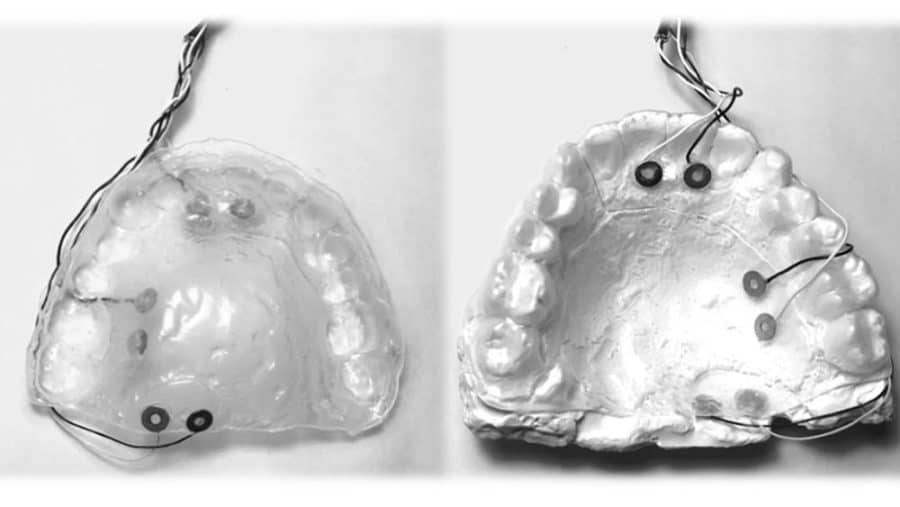
To investigate the minimum stimulation currents needed, Park and his team inserted tiny metal electrodes into a standard dental retainer. These electrodes were positioned in subjects to stimulate either their soft palate or the side and tip of the tongue, which receive a rich supply of sensory nerves. For each of these locations, the researchers slowly changed the amplitude of the stimulation current, keeping the frequency fixed. Then, subjects were asked to report when they just began feeling a sensation and when the sensation was uncomfortable. Next, they repeated the same experiment for a higher frequency of current.

After compiling their data, the team determined the average perception and discomfort thresholds for the tongue and soft palate. In addition, they produced an equivalent circuit of the intraoral cavity to duplicate the electrical properties of that area. This circuit, the researchers said, can help to further study the effects of electrical stimulation offline without requiring human subjects.

The researchers noted that their next steps would be to electrically stimulate the intraoral region and investigate how these simulations change chewing, swallowing and other behaviors.

“Sensorimotor systems can be extremely vulnerable to damage due to neural defects, aging and neurodegenerative diseases,” Park said. “In this study, we have begun to lay the groundwork for electrically stimulating parts of the mouth that control involuntary and voluntary movements. Our work is a seminal study and it is important so that we can, in the near future, help people that face enormous challenges doing everyday tasks that we take for granted.”

Other contributors to this study include Beomhee Park from the electrical and computer engineering department and Saurabh Biswas, associate professor of practice from the Department of Biomedical Engineering.

This research was funded by the Institute for Rehabilitation and Research Foundation.


from ScienceBlog.com https://ift.tt/3hnY4PI

More fish fats, less vegetable oils can reduce migraine headaches

More fish fats, less vegetable oils can reduce migraine headaches

A diet higher in fatty fish helped frequent migraine sufferers reduce their monthly number of headaches and intensity of pain compared to participants on a diet higher in vegetable-based fats and oils, according to a new study. The findings by a team of researchers from the National Institute on Aging (NIA) and the National Institute on Alcohol Abuse and Alcoholism (NIAAA), parts of the National Institutes of Health; and the University of North Carolina (UNC) at Chapel Hill, were published in the July 3 issue of The BMJ.

This study of 182 adults with frequent migraines expanded on the team’s previous work on the impact of linoleic acid and chronic pain. Linoleic acid is a polyunsaturated fatty acid commonly derived in the American diet from corn, soybean, and other similar oils, as well as some nuts and seeds. The team’s previous smaller studies explored if linoleic acid inflamed migraine-related pain processing tissues and pathways in the trigeminal nerve, the largest and most complex of the body’s 12 cranial nerves. They found that a diet lower in linoleic acid and higher in levels of omega-3 fatty acids (like those found in fish and shellfish) could soothe this pain pathway inflammation.

In a 16-week dietary intervention, participants were randomly assigned to one of three healthy diet plans. Participants all received meal kits that included fish, vegetables, hummus, salads, and breakfast items. One group received meals that had high levels of fatty fish or oils from fatty fish and lowered linoleic acid. A second group received meals that had high levels of fatty fish and higher linoleic acid. The third group received meals with high linoleic acid and lower levels of fatty fish to mimic average U.S. intakes.

During the intervention period, participants monitored their number of migraine days, duration, and intensity, along with how their headaches affected their abilities to function at work, school, and in their social lives, and how often they needed to take pain medications. When the study began, participants averaged more than 16 headache days per month, over five hours of migraine pain per headache day, and had baseline scores showing a severe impact on quality of life despite using multiple headache medications.

The diet lower in vegetable oil and higher in fatty fish produced between 30% and 40% reductions in total headache hours per day, severe headache hours per day, and overall headache days per month compared to the control group. Blood samples from this group of participants also had lower levels of pain-related lipids. Despite the reduction in headache frequency and pain, these same participants reported only minor improvements in migraine-related overall quality of life compared to other groups in the study.

Migraine, a neurological disease, ranks among the most common causes of chronic pain, lost work time, and lowered quality of life. More than 4 million people worldwide have chronic migraine (at least 15 migraine days per month) and over 90% of sufferers are unable to work or function normally during an attack, which can last anywhere from four hours to three days. Women between the ages of 18 and 44 are especially prone to migraines, and an estimated 18% of all American women are affected. Current medications for migraine usually offer only partial relief and can have negative side effects including sedation, and the possibility of dependence or addiction.

“This research found intriguing evidence that dietary changes have potential for improving a very debilitating chronic pain condition like migraine without the related downsides of often prescribed medications,” said Luigi Ferrucci, M.D., Ph.D., scientific director of NIA.

The NIH team was led by Chris Ramsden, a clinical investigator in the NIA and NIAAA intramural research programs, and UNC adjunct faculty member. Ramsden and his team specialize in the study of lipids — fatty acid compounds found in many natural oils — and their role in aging, especially chronic pain and neurodegenerative conditions. The UNC team was led by Doug Mann, M.D., of the Department of Neurology, and Kim Faurot, Ph.D., of the Program on Integrative Medicine. Meal plans were designed by Beth MacIntosh, M.P.H., of UNC Healthcare’s Department of Nutrition and Food Services.

“Changes in diet could offer some relief for the millions of Americans who suffer from migraine pain,” said Ramsden. “It’s further evidence that the foods we eat can influence pain pathways.”

The researchers noted that these findings serve as validation that diet-based interventions increasing omega-3 fats while reducing linoleic acid sources show better promise for helping people with migraines reduce the number and impact of headache days than fish-oil based supplements, while reducing the need for pain medications. They hope to continue to expand this work to study effects of diet on other chronic pain conditions.

This study was supported by the NIH NIA and NIAAA intramural research programs; and NIH grants including 1R01AT007813–01A1, T32 AT003378, DK056350, and UL1TR002489.


from ScienceBlog.com https://ift.tt/3duGtEj

Celebrating Scientific Excellence | World Science Awards 2024

  Celebrating Scientific Excellence | World Science Awards 2024 Scientific progress is driven by researchers, innovators, and visionaries wh...