Wednesday, September 30, 2020

Validating the physics behind the new MIT-designed fusion experiment

Validating the physics behind the new MIT-designed fusion experiment

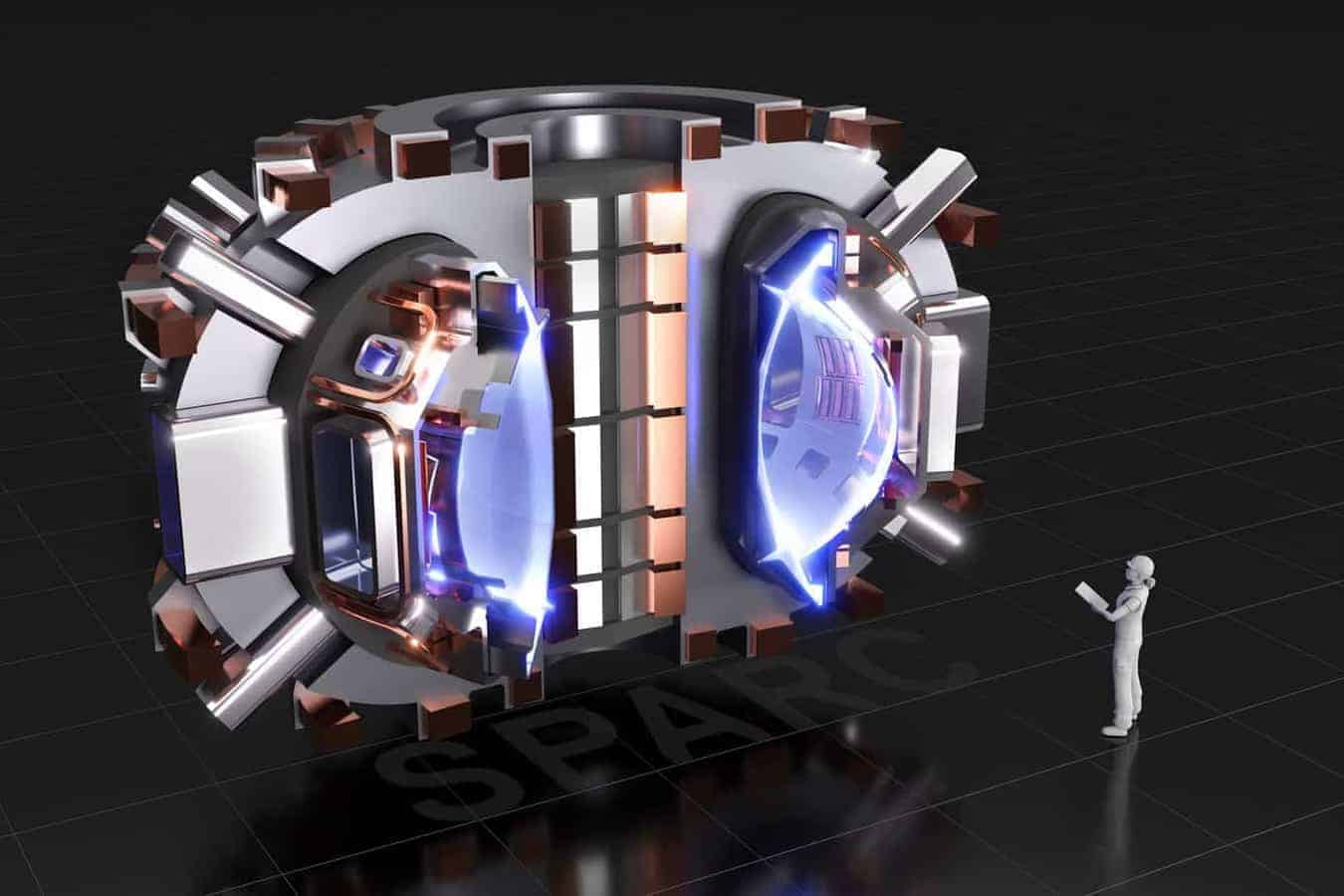
Two and a half years ago, MIT entered into a research agreement with startup company Commonwealth Fusion Systems to develop a next-generation fusion research experiment, called SPARC, as a precursor to a practical, emissions-free power plant.

Now, after many months of intensive research and engineering work, the researchers charged with defining and refining the physics behind the ambitious tokamak design have published a series of papers summarizing the progress they have made and outlining the key research questions SPARC will enable.

Overall, says Martin Greenwald, deputy director of MIT’s Plasma Science and Fusion Center and one of the project’s lead scientists, the work is progressing smoothly and on track. This series of papers provides a high level of confidence in the plasma physics and the performance predictions for SPARC, he says. No unexpected impediments or surprises have shown up, and the remaining challenges appear to be manageable. This sets a solid basis for the device’s operation once constructed, according to Greenwald.

Greenwald wrote the introduction for a set of seven research papers authored by 47 researchers from 12 institutions and published today in a special issue of the Journal of Plasma Physics. Together, the papers outline the theoretical and empirical physics basis for the new fusion system, which the consortium expects to start building next year.

SPARC is planned to be the first experimental device ever to achieve a “burning plasma” — that is, a self-sustaining fusion reaction in which different isotopes of the element hydrogen fuse together to form helium, without the need for any further input of energy. Studying the behavior of this burning plasma — something never before seen on Earth in a controlled fashion — is seen as crucial information for developing the next step, a working prototype of a practical, power-generating power plant.

Such fusion power plants might significantly reduce greenhouse gas emissions from the power-generation sector, one of the major sources of these emissions globally. The MIT and CFS project is one of the largest privately funded research and development projects ever undertaken in the fusion field.

“The MIT group is pursuing a very compelling approach to fusion energy.” says Chris Hegna, a professor of engineering physics at the University of Wisconsin at Madison, who was not connected to this work. “They realized the emergence of high-temperature superconducting technology enables a high magnetic field approach to producing net energy gain from a magnetic confinement system. This work is a potential game-changer for the international fusion program​.”

The SPARC design, though about the twice the size as MIT’s now-retired Alcator C-Mod experiment and similar to several other research fusion machines currently in operation, would be far more powerful, achieving fusion performance comparable to that expected in the much larger ITER tokamak being built in France by an international consortium. The high power in a small size is made possible by advances in superconducting magnets that allow for a much stronger magnetic field to confine the hot plasma.

The SPARC project was launched in early 2018, and work on its first stage, the development of the superconducting magnets that would allow smaller fusion systems to be built, has been proceeding apace. The new set of papers represents the first time that the underlying physics basis for the SPARC machine has been outlined in detail in peer-reviewed publications. The seven papers explore the specific areas of the physics that had to be further refined, and that still require ongoing research to pin down the final elements of the machine design and the operating procedures and tests that will be involved as work progresses toward the power plant.

The papers also describe the use of calculations and simulation tools for the design of SPARC, which have been tested against many experiments around the world. The authors used cutting-edge simulations, run on powerful supercomputers, that have been developed to aid the design of ITER. The large multi-institutional team of researchers represented in the new set of papers aimed to bring the best consensus tools to the SPARC machine design to increase confidence it will achieve its mission.

The analysis done so far shows that the planned fusion energy output of the SPARC tokamak should be able to meet the design specifications with a comfortable margin to spare. It is designed to achieve a Q factor — a key parameter denoting the efficiency of a fusion plasma — of at least 2, essentially meaning that twice as much fusion energy is produced as the amount of energy pumped in to generate the reaction. That would be the first time a fusion plasma of any kind has produced more energy than it consumed.

The calculations at this point show that SPARC could actually achieve a Q ratio of 10 or more, according to the new papers. While Greenwald cautions that the team wants to be careful not to overpromise, and much work remains, the results so far indicate that the project will at least achieve its goals, and specifically will meet its key objective of producing a burning plasma, wherein the self-heating dominates the energy balance.

Limitations imposed by the Covid-19 pandemic slowed progress a bit, but not much, he says, and the researchers are back in the labs under new operating guidelines.

Overall, “we’re still aiming for a start of construction in roughly June of ’21,” Greenwald says. “The physics effort is well-integrated with the engineering design. What we’re trying to do is put the project on the firmest possible physics basis, so that we’re confident about how it’s going to perform, and then to provide guidance and answer questions for the engineering design as it proceeds.”

Many of the fine details are still being worked out on the machine design, covering the best ways of getting energy and fuel into the device, getting the power out, dealing with any sudden thermal or power transients, and how and where to measure key parameters in order to monitor the machine’s operation.

So far, there have been only minor changes to the overall design. The diameter of the tokamak has been increased by about 12 percent, but little else has changed, Greenwald says. “There’s always the question of a little more of this, a little less of that, and there’s lots of things that weigh into that, engineering issues, mechanical stresses, thermal stresses, and there’s also the physics — how do you affect the performance of the machine?”

The publication of this special issue of the journal, he says, “represents a summary, a snapshot of the physics basis as it stands today.” Though members of the team have discussed many aspects of it at physics meetings, “this is our first opportunity to tell our story, get it reviewed, get the stamp of approval, and put it out into the community.”

Greenwald says there is still much to be learned about the physics of burning plasmas, and once this machine is up and running, key information can be gained that will help pave the way to commercial, power-producing fusion devices, whose fuel — the hydrogen isotopes deuterium and tritium — can be made available in virtually limitless supplies.

The details of the burning plasma “are really novel and important,” he says. “The big mountain we have to get over is to understand this self-heated state of a plasma.”

“The analysis presented in these papers will provide the world-wide fusion community with an opportunity to better understand the physics basis of the SPARC device and gauge for itself the remaining challenges that need to be resolved,” says George Tynan, professor of mechanical and aerospace engineering at the University of California at San Diego, who was not connected to this work. “Their publication marks an important milestone on the road to the study of burning plasmas and the first demonstration of net energy production from controlled fusion, and I applaud the authors for putting this work out for all to see.”​

Overall, Greenwald says, the work that has gone into the analysis presented in this package of papers “helps to validate our confidence that we will achieve the mission. We haven’t run into anything where we say, ‘oh, this is predicting that we won’t get to where we want.” In short, he says, “one of the conclusions is that things are still looking on-track. We believe it’s going to work.”


from ScienceBlog.com https://ift.tt/34b3Jlr

Birthing in better hospitals could save lives of Black, Native mothers

Birthing in better hospitals could save lives of Black, Native mothers

A new study from researchers at the UC Berkeley School of Public Health and Stanford University School of Medicine has determined that higher severe maternal morbidity rates for Black, American Indian/Alaska Native, and mixed-race women may be reduced if they had delivered in the same hospitals as non-Hispanic White women.

Researchers specifically targeted severe maternal morbidity (SMM), an umbrella term for a set of 21 adverse health complications including eclampsia and heart failure that can occur during childbirth. SMM has emerged as a growing public health crisis. The CDC reports that “the overall rate of SMM increased almost 200%” between 1993 and 2014, with Black women experiencing these outcomes at 2-3 times the rate of White women. The factors explaining the sharp increase in SMM nationally, as well as the persistent disparities by race and ethnicity, are inadequately understood, leaving few options to prevent short- and long-term health consequences for women and their newborns.

The researchers reviewed more than 3 million California birth records from 2007-2012 to see if hospital-level factors (such as teaching affiliation and proportion of SMM deliveries) could explain racial disparities in maternal outcomes related to giving birth.

“We found that the prevalence of SMM in California was highest in Black women and double that of White women (2.1% vs. 1.1%), a disparity that we know is increasing over time based on prior research by our team. We hypothesized that birth hospital might be an important underlying contributor to these disparities, given that national data suggests that Black women tend to deliver at hospitals that have worse outcomes,” said Mahasin Mujahid, lead author of a paper published in August in the American Journal of Obstetrics and Gynecology and associate professor of epidemiology and Chancellor’s Professor of Public Health at UC Berkeley’s School of Public Health.

Mujahid’s research found 33% of White women delivered in hospitals with the highest tertile of SMM rates compared to 53% of Black women. “Our model found that if Black women gave birth at the same distribution of hospitals as White women, this would have resulted in 156 fewer cases of SMM in Black women, representing a 7.8% reduction in the Black-White disparity,” Mujahid said.

The findings highlight the critical need for more research on the potential role of structural racism in shaping differential access to high quality hospitals based on race and ethnicity and in determining the within-hospital experiences of minoritized women such as experiences of discrimination that may disproportionately affect their birth experiences.

“We are in the midst of a national reckoning on the impacts of structural racism on Black Americans,” said Mujahid. “It is imperative that we include the health disparities experienced by historically marginalized women. SMM is one of a number of health problems that disproportionately affect racially and ethnically minoritized women, with particularly devastating consequences for Black and Native American women. More work is urgently needed to uncover the systemic factors that produce these disparities and to develop targeted interventions that promote health equity.”

https://www.ajog.org/article/S0002-9378(20)30845-0/pdf


from ScienceBlog.com https://ift.tt/3if95RF

Project applies human-centered design to in-person voting

Project applies human-centered design to in-person voting

As the United States prepares for November’s general election, almost every step of the voting process is being revamped and reevaluated to ensure that COVID-19 will not spread in local communities when millions of Americans cast their ballot in the fall.

While some states are expanding their vote-by-mail programs, many precincts are still expecting a high turnout for in-person voting.

Helping election administrators and poll workers prepare for safe in-person voting is a team at the Stanford Hasso Plattner Institute of Design, also known as the d.school. In May 2020, they partnered with the Healthy Elections Project, a joint effort between Stanford and Massachusetts Institute of Technology (MIT), to develop and promote best practices for a safe and secure election this November.

“The United States is making the most fundamental transformation to its election infrastructure in the shortest period of time in recent memory,” said Nathaniel Persily, the James B. McClatchy Professor Law and former Senior Research Director of the Presidential Commission on Election Administration.

“When it became clear that we needed to redesign our polling places, going to the d.school – world experts in design – was the natural place to look,” added Persily, who co-founded the Healthy Elections Project with Charles Stewart III from MIT.

The d.school’s task was to figure out how to apply human-centered design – an approach to finding and solving problems that put people’s mindsets and behaviors at the center of the process – to designing safe polling places during a pandemic. “Elections are a series of experiences,” said project collaborator Nadia Roumani, a senior designer with the d.school’s Designing for Social Systems Program. “One of the things that human-centered design brings to the voting process is the ability to understand and acknowledge the complexity of that experience and, when appropriate, make it more accessible.”

Toward this end, the group created the 2020 Healthy Polling Places Guidebook, a 51-page document that offers practical examples for how to prepare a safe environment for in-person voting.

The guidebook draws its inspiration from some of the several dozen statewide primary and run-off elections that have been held across the U.S. since COVID-19 was declared a pandemic by the World Health Organization on March 11, 2020. As local election administrators rethink their own voting procedures to incorporate public health recommendations like social distancing to reduce the spread of COVID-19 they are turning to earlier elections to learn what worked, Roumani said.

Early on, Roumani and her colleagues at the d.school partnered with several organizations that have extensive experience working with elections officials. As Roumani learned, state and county regulations for running elections are both highly technical and incredibly decentralized. Every state, county and town administer their own elections differently.

“Part of our work has been to serve as a design coach for some of these organizations and help them take what they already have, which is robust, thorough and very detail-oriented, and make it more visual, digestible, action-oriented and experience-centered,” Roumani said.

As election officials prepare for safe and clean environments for both workers and voters, the guidebook highlights dozens of examples that show what every step of the voting process has looked like so far in the pandemic. Included are photos of the signage voters saw when they entered their local polling place; the clear, plexiglass barriers they encountered when checking in; and the floor markings they followed when exiting.

Accompanying each of these images are brief but thorough descriptions of what election administrators might consider if they were to pursue one of these options, including step-by-step guidance and checklists.

The 2020 Healthy Polling Places Guidebook also features examples of what outdoor voting could look like. For example, included is an image of a tent outside the town hall from a primary election held in April in Dunn, Wisconsin, that offered people an alternative to indoor voting.

The guidebook even shows alternative examples for collecting ballots – such as curbside voting and drive-through voting – which allowed people to vote without leaving their vehicle. It also offers suggested language, links to resources administrators can use to layout their worksites and reminders for how to promote and maintain safety throughout the day. Included as well are practical tips and a training module for how to manage stressful situations that may arise, such as how to deal with a voter who forgets their face covering or refuses to wear one at all.

“The other part is understanding that there are potentially some emotional moments and anxiety-provoking moments that poll workers may face that we need to design for,” Roumani said.

Preparing election officials for challenges ahead

In addition to partnering with people like Nadia Roumani and her team at the d.school, the Healthy Elections Project has collaborated with dozens of academics, civic organizations, election administrators and election administration experts to address other challenges the pandemic poses to officials and local jurisdictions, including how to expand mail-in and absentee voting programs.

While there are some states that have spent years rolling out efforts for their mail-in voting programs, other states are having to do it in a matter of months. Some jurisdictions do not have the expertise to make these changes so quickly ­– which is where the Healthy Election Project steps in.

“We really need the best available research to try to educate election officials, voters and NGOs on how to pull off this election in a safe and secure way,” Persily said. “The goal of the healthy elections project is to really turn that research into action.”

Since the Healthy Elections Project launched in April, students from Stanford and MIT have been researching and drafting relevant memos that include specific recommendations and resources to election officials making critical changes to their infrastructure. One report, for example, goes into granular detail of what supplies jurisdictions might consider purchasing to make their polling places pandemic-proof, what they might need to expand vote-by-mail programs, as well as timelines to avoid bottlenecks in the supply chain.

As the election draws closer, the Healthy Election Project will continue to prepare and provide elections administrators with additional tools and resources to manage issues that may arise, such as managing mail ballots, analyzing election data and communicating with voters. There is also a growing amount of litigation regarding election rules during the pandemic, and the Healthy Elections Project is tracking these as well to keep election officials and voters up-to-date of issues in their jurisdictions.

“It’s incredibly difficult during the pandemic to try to effectuate changes in election administration across the country, but we are trying to do our best,” said Persily. “We hope that we’re making at least a small contribution to make it a smoother election.”

Poll worker recruitment

Another key issue to emerge from research conducted by Stanford and MIT students involved in the Healthy Elections Project was the need to recruit poll workers. In a detailed memo analyzing some of the recent primary and run-off elections held during the pandemic, students reported how some states had to rapidly respond to staffing shortages because of the pandemic. Typically, more than half of poll workers have been over the age of 60 – the demographic most at risk of experiencing health complications due to COVID-19.

“When we have a poll worker recruitment shortage, election officials have no choice but to consolidate or combine polling places, which in some cases can make it more difficult for voters to get to the polls. It can also lead to longer lines, more crowding and more processing delays at single polling locations,” said Stanford law student Chelsey Davidson who has been working fulltime on the Healthy Elections Project.

To have a successful and healthy election in November, new poll workers are needed. The Healthy Elections Project has rolled out a robust poll worker recruitment effort. They’ve also partnered with Power the Polls to recruit new poll workers to staff in-person voting locations on Election Day. Stanford’s d.school has also been addressing the issue of poll worker recruitment as well – they created the Pollworker Screening Tool, an easily adaptable application form that local election officials can use to evaluate volunteers.


from ScienceBlog.com https://ift.tt/2S9yqlo

New Brain Cell-Like Nanodevices Work Together To Identify Mutations In Viruses

New Brain Cell-Like Nanodevices Work Together To Identify Mutations In Viruses

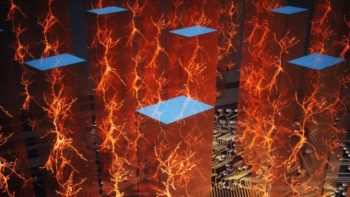
In the September issue of the journal Nature, scientists from Texas A&M University, Hewlett Packard Labs and Stanford University have described a new nanodevice that acts almost identically to a brain cell. They have shown that these synthetic brain cells can be joined together to form intricate networks that can then solve problems in a brain-like manner.

“This is the first study where we have been able to emulate a neuron with just a single nanoscale device, which would otherwise need hundreds of transistors,” said R. Stanley Williams, senior author on the study and professor in the Department of Electrical and Computer Engineering. “We have also been able to successfully use networks of our artificial neurons to solve toy versions of a real-world problem that is computationally intense even for the most sophisticated digital technologies.”

In particular, the researchers have demonstrated proof of concept that their brain-inspired system can identify possible mutations in a virus, which is highly relevant for ensuring the efficacy of vaccines and medications for strains exhibiting genetic diversity.

New Brain Cell-Like Nanodevices Work Together To Identify Mutations In Viruses
An electron micrograph of the artificial neuron. The niobium dioxide layer (in yellow) endows the device with neuron-like behavior.

R. Stanley Williams

Over the past decades, digital technologies have become smaller and faster largely because of the advancements in transistor technology. However, these critical circuit components are fast approaching their limit of how small they can be built, initiating a global effort to find a new type of technology that can supplement, if not replace, transistors.

In addition to this “scaling-down” problem, transistor-based digital technologies have other well-known challenges. For example, they struggle at finding optimal solutions when presented with large sets of data.

“Let’s take a familiar example of finding the shortest route from your office to your home. If you have to make a single stop, it’s a fairly easy problem to solve. But if for some reason you need to make 15 stops in between, you have 43 billion routes to choose from,” said Suhas Kumar, lead author on the study and researcher at Hewlett Packard Labs. “This is now an optimization problem, and current computers are rather inept at solving it.”

Kumar added that another arduous task for digital machines is pattern recognition, such as identifying a face as the same regardless of viewpoint or recognizing a familiar voice buried within a din of sounds.

But tasks that can send digital machines into a computational tizzy are ones at which the brain excels. In fact, brains are not just quick at recognition and optimization problems, but they also consume far less energy than digital systems. By mimicking how the brain solves these types of tasks, Williams said brain-inspired or neuromorphic systems could potentially overcome some of the computational hurdles faced by current digital technologies.

To build the fundamental building block of the brain or a neuron, the researchers assembled a synthetic nanoscale device consisting of layers of different inorganic materials, each with a unique function. However, they said the real magic happens in the thin layer made of the compound niobium dioxide.

When a small voltage is applied to this region, its temperature begins to increase. But when the temperature reaches a critical value, niobium dioxide undergoes a quick change in personality, turning from an insulator to a conductor. But as it begins to conduct electric currents, its temperature drops and niobium dioxide switches back to being an insulator.

These back-and-forth transitions enable the synthetic devices to generate a pulse of electrical current that closely resembles the profile of electrical spikes, or action potentials, produced by biological neurons. Further, by changing the voltage across their synthetic neurons, the researchers reproduced a rich range of neuronal behaviors observed in the brain, such as sustained, burst and chaotic firing of electrical spikes.

“Capturing the dynamical behavior of neurons is a key goal for brain-inspired computers,” Kumar said. “Altogether, we were able to recreate around 15 types of neuronal firing profiles, all using a single electrical component and at much lower energies compared to transistor-based circuits.”

To evaluate if their synthetic neurons can solve real-world problems, the researchers first wired 24 such nanoscale devices together in a network inspired by the connections between the brain’s cortex and thalamus, a well-known neural pathway involved in pattern recognition. Next, they used this system to solve a toy version of the viral quasispecies reconstruction problem, where mutant variations of a virus are identified without a reference genome.

By means of data inputs, the researchers introduced the network to short gene fragments. Then, by programming the strength of connections between the artificial neurons within the network, they established basic rules about joining these genetic fragments. The jigsaw puzzle-like task for the network was to list mutations in the virus’ genome based on these short genetic segments.

New Brain Cell-Like Nanodevices Work Together To Identify Mutations In Viruses
Networks of artificial neurons connected together can solve toy versions of the the viral quasispecies reconstruction problem.

Rachel Barton/Texas A&M Engineering


The researchers found that within a few microseconds, their network of artificial neurons settled down in a state that was indicative of the genome for a mutant strain.

Williams and Kumar noted this result is proof of principle that their neuromorphic systems can quickly perform tasks in an energy-efficient way.

The researchers said the next steps in their research will be to expand the repertoire of the problems that their brain-like networks can solve by incorporating other firing patterns and some hallmark properties of the human brain like learning and memory. They also plan to address hardware challenges for implementing their technology on a commercial scale.

“Calculating the national debt or solving some large-scale simulation is not the type of task the human brain is good at and that’s why we have digital computers. Alternatively, we can leverage our knowledge of neuronal connections for solving problems that the brain is exceptionally good at,” said Williams. “We have demonstrated that depending on the type of problem, there are different and more efficient ways of doing computations other than the conventional methods using digital computers with transistors.”

Ziwen Wang from Stanford University also contributed to this research.

This research was funded by the National Science Foundation, the Department of Energy and the Texas A&M X-Grants program.


from ScienceBlog.com https://ift.tt/33gxodF

Spinal Cord Stimulation Reduces Pain and Motor Symptoms in Parkinson’s Disease Patients

Spinal Cord Stimulation Reduces Pain and Motor Symptoms in Parkinson’s Disease Patients

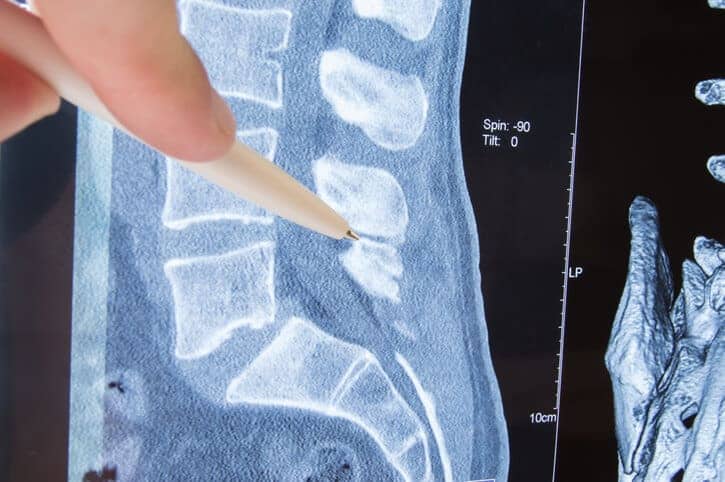
A team of researchers in the United States and Japan reports that spinal cord stimulation (SCS) measurably decreased pain and reduced motor symptoms of Parkinson’s disease, both as a singular therapy and as a “salvage therapy” after deep brain stimulation (DBS) therapies were ineffective.

Writing in the September 28, 2020 issue of Bioelectronic Medicine, first author Krishnan Chakravarthy, MD, PhD, assistant professor of anesthesiology at University of California San Diego School of Medicine,  and colleagues recruited 15 patients with Parkinson’s disease, a neurodegenerative disorder that is commonly characterized by physical symptoms, such as tremors and progressive difficulty walking and talking, and non-motor symptoms, such as pain and mental or behavioral changes.

The mean age of the patients was 74, with an average disease duration of 17 years. All of the patients were experiencing pain not alleviated by previous treatments. Eight had undergone earlier DBS, a non-invasive, pain therapy in which electrical currents are used to stimulate specific parts of the brain. Seven patients had received only drug treatments previously.

Researchers implanted percutaneous (through the skin) electrodes near the patients’ spines, who then chose one of three types of electrical stimulation: continuous, on-off bursts or continuous bursts of varying intensity.

Following continuous programmed treatment post-implantation, the researchers said all patients reported significant improvement, based on the Visual Analogue Scale, a measurement of pain intensity, with a mean reduction of 59 percent across all patients and stimulation modes.

Seventy-three percent of patients showed improvement in the 10-meter walk, a test that measures walking speed to assess functional mobility and gait, with an average improvement of 12 percent.

And 64 percent of patients experienced improvements in the Timed Up and Go (TUG) test, which measures how long it takes a person to rise from a chair, walk three meters, turn around, walk back to the chair and sit down. TUG assesses physical balance and stability, both standing and in motion. Average TUG improvement was 21 percent.

The authors said the findings suggest SCS may have therapeutic benefit for patients with Parkinson’s in terms of treatment for pain and motor symptoms, though they noted further studies are needed to determine whether improved motor function is due to neurological changes caused by SCS or simply decreased pain.

“We are seeing growing data on novel uses of spinal cord stimulation and specific waveforms on applications outside of chronic pain management, specifically Parkinson’s disease,” said Chakravarthy, pain management specialist at UC San Diego Health. “The potential ease of access and implantation of stimulators in the spinal cord compared to the brain suggests that this is a very exciting area for future exploration.”

Co-authors include: Rahul Chaturvedi and Rajiv Reddy, UC San Diego; Takashi Agari, Tokyo Metropolitan Neurological Hospital; Hirokazu Iwamuro, Juntendo University, Tokyo; and Ayano Matsui, National Center Hospital of Neurology and Psychiatry, Tokyo.


from ScienceBlog.com https://ift.tt/36iBC6r

Throwing a warm sheet over our understanding of ice and climate

Throwing a warm sheet over our understanding of ice and climate

Temperatures at Earth’s highest latitudes were nearly as warm after Antarctica’s polar ice sheets developed as they were prior to glaciation, according to a new study led by Yale University. The finding upends most scientists’ basic understanding of how ice and climate develop over long stretches of time.

The study, based on a reconstruction of global surface temperatures, gives researchers a better understanding of a key moment in Earth’s climate history — when it transitioned from a “greenhouse” state to an “icehouse” state. The study appears in the journal Proceedings of the National Academy of Sciences the week of Sept. 28.

“This work fills in an important, largely unwritten chapter in Earth’s surface temperature history,” said Pincelli Hull, assistant professor of earth and planetary studies at Yale, and senior author of the study.

Charlotte O’Brien, a former Yale Institute for Biospheric Studies (YIBS) Donnelley Postdoctoral Fellow who is now a postdoctoral research associate at University College London, is the study’s lead author.

During the Eocene period (from 56 to 34 million years ago), temperatures at Earth’s higher latitudes were much higher than they are today. The formation of polar ice sheets began near the end of the Eocene period — and has been linked by many scientists to the onset of global cooling during the Oligocene period (33.9 to 23 million years ago).

Although there has been much scientific focus on the development of Antarctic glaciation, there have been relatively few sea surface temperature records for the Oligocene period.

The researchers generated new sea surface temperature models for the Oligocene at two ocean sites in the western tropical Atlantic and the southwestern Atlantic. They combined the new data with other existing sea surface temperature estimates for the Oligocene and Eocene epochs, plus data from climate modeling.

The result was a reconstruction of how surface temperatures evolved at a key moment in Earth’s climate history, as it transitioned from a greenhouse state to an icehouse state with Antarctic glaciation.

“Our analysis revealed that Oligocene ‘icehouse’ surface temperatures were almost as warm as those of the late Eocene ‘greenhouse’ climate,” O’Brien said.

The study estimated that global mean surface temperatures (GMSTs) during the Oligocene were roughly 71 to 75 degrees Fahrenheit, similar to late Eocene GMSTs of about 73 degrees Fahrenheit. For context, in 2019 the GMST average was 58.7 degrees Fahrenheit, according to the National Oceanic and Atmospheric Administration.

“This challenges our basic understanding of how the climate works, as well as the relationship between climate and ice volume through time,” O’Brien said.

The late Yale professor Mark Pagani was a co-author of the study. Additional co-authors were Yale senior research scientist Ellen Thomas, former Yale researchers James Super and Leanne Elder, and Purdue University professor Matthew Huber.

The National Science Foundation and the YIBS Donnelley Environmental Fellowship program funded the research.


from ScienceBlog.com https://ift.tt/2EMejGR

Window for Slowing COVID’s Spread was Smaller than Projected

Window for Slowing COVID’s Spread was Smaller than Projected

A new Duke University-led analysis shows that during the early months of the COVID pandemic, the average number of new infections caused by an infected individual (i.e. the basic reproduction number, R0) was 4.5, or more than twice as many as the initial 2.2 rate estimated by the World Health Organization at the time.

At that higher rate of infectious spread, governments had just 20 days from the first reported cases to implement non-pharmaceutical interventions stringent enough to reduce the transmission rate to below 1.1 and prevent widespread infections and deaths, the analysis shows.

If delays in implementing these interventions allowed the reproduction rate to remain above 2.7 for at least 44 days – as was the case in many of the 57 countries studied – any subsequent interventions were unlikely to be effective.

“These numbers confirm that we only had a small window of time to act, and unfortunately that’s not what happened in most countries,” said the Gabriel Katul, Theodore S. Coile Distinguished Professor of Hydrology and Micrometeorology at Duke, who led the study.

We can’t undo the consequences of that inaction, but we can use the insights from the new study to prepare for a second wave of COVID or future pandemics, he said. Katul and his colleagues published their peer-reviewed study Sept. 24 in the open-access journal PLOSOne.

“Being able to estimate transmission rates at different phases of a disease’s spread and under different conditions helps identify the timing and type of interventions that may work best, the hospital capacity we’ll need, and other critical considerations,” Katul said.

For instance, the new analysis estimates that achieving herd immunity from COVID requires 78% of a population to no longer be susceptible to it. That can help inform decisions about how many vaccines are needed.

To arrive at their estimates, the researchers used a conventional “susceptible-infectious-removed” (SIR) mathematical model to analyze confirmed new COVID cases reported daily from January to March 2020 in 57 countries. They also used the model to analyze mortalities based on the so-called Infection Fatality Rate that accommodates both symptomatic and asymptomatic cases. The SIR model is widely used by epidemiologists to track and project changes in disease status among populations who are susceptible to a disease, infected with it, or recovered from it (and thus “removed” from the general pool).

Using the model allowed Katul and his team to chart the disease’s early-phase transmission rate under different conditions and intervention scenarios; identify changes in those rates over time; and project how many cases and deaths ultimately might occur under different intervention scenarios until herd immunity is achieved. It also allowed them to determine, in hindsight, how soon intervention strategies should have been put into place to slow or stop the virus’ spread.

To explore whether transmission rates differed at regional versus national scales, the scientists also used the SIR model to analyze data on new cases and deaths in individual provinces, countries or cities in Italy and the United Kingdom. Initial rates of transmission differed in some of the locations, but over time the differences evened out.

The impact of super-spreaders — infected people who infect a large number of others — was also found to even out over time.

Despite some short-term spikes caused by super-spreaders, or other factors such as ramp-ups in testing, inferred local rates of transmissions all converged over time to a global average of about 4.5 new cases per infected individual where early-phase intervention was insufficient or nonexistent, Katul noted.

“In the end, it all comes down to timely, effective intervention,” he said. “The best defense against uncontrolled future outbreaks is to put stringent safety protocols in place at the first sign of an outbreak and make use of the tools science has provided us.”

The case and mortality data used in the study came from the European Center on Disease Prevention and Control.

Katul conducted the analysis with Assaad Mrad, a doctoral student at Duke’s Nicholas School; Sara Bonetti of ETH Zurich and University College London; Gabriele Manoli of University College London; and Anthony Parolari of Marquette University. Bonetti, Manoli and Parolari all are doctoral graduates or former post-doctoral researchers at Duke University.

CITATION: “Global Convergence of COVID-19 Basic Reproduction Number and Estimation from Early-Time SIR Dynamics,” Gabriel G. Katul, Assaad Mrad, Sara Bonetti, Gabriele Manoli and Anthony J. Parolari; Sept. 24, 2020, PLOSOne. DOI: 10.1371/journal.pone.0239800

Note: Gabriel Katul is available for additional comment at gaby@duke.edu.


from ScienceBlog.com https://ift.tt/3cIfKTc

The C3-SI Framework: A Newtonian Model Explains How Subduction Initiation Occurs

The C3-SI Framework: A Newtonian Model Explains How Subduction Initiation Occurs Introduction Understanding how subduction zones begin is on...